Generator Installation
Contact A&M Electric Today
Dependable Generator Installation in Vacaville, CA
Services in Fairfield, Dixon, & Solano County - See Complete Service Area
A home generator provides backup electricity when utility power is unavailable, but the generator must be properly connected to the home's electrical system to operate safely. Professional generator installation includes planning how backup power will enter the home and preventing electricity from feeding back onto utility lines. In Vacaville and surrounding Solano County communities, summer heat, wildfire conditions, and potential power interruptions make it useful for homeowners to understand their backup power options before an outage occurs.
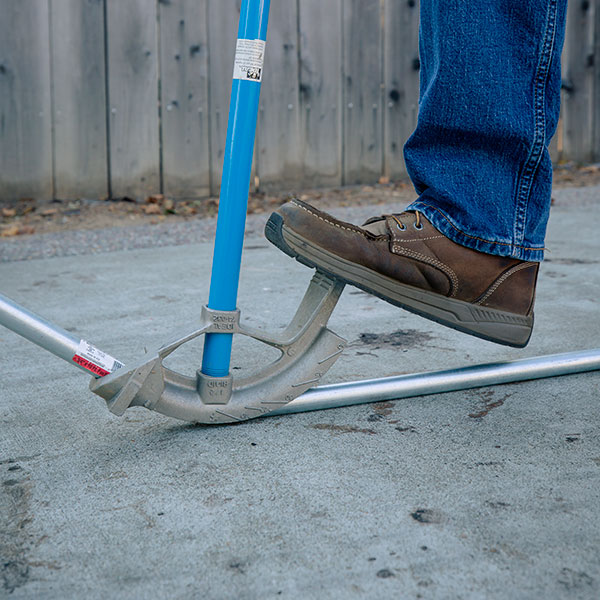
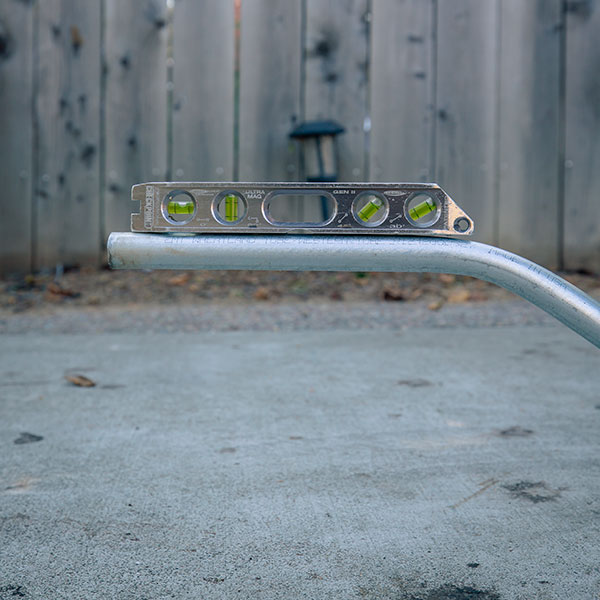
Information About Generator Installation
Generator installation involves more than choosing a generator and connecting it to the house. An electrician needs to consider the generator type, the circuits or electrical loads you want to power, the existing electrical system, and how utility and generator power will be separated. A&M Electric evaluates these factors before installation and explains the available options so homeowners understand how their backup power system will operate.
Home & Standby Generator Installation
The right generator setup depends on what you want to keep operating and how you want the system to function during an outage.
- Install residential backup generator systems
- Install standby generators for home backup power
- Wire generators to compatible home electrical systems
- Plan backup power for selected household circuits
- Evaluate existing electrical equipment before generator installation
- Install generator electrical connections based on system requirements
Transfer Switches & Safe Power Connections
A properly designed connection prevents generator power from creating dangerous conditions for the home or utility system.
- Install generator transfer switches
- Install automatic transfer switches for compatible standby systems
- Evaluate transfer switch and interlock kit options
- Configure safe connections between generator and utility power
- Plan generator wiring to prevent electrical backfeed
- Connect selected circuits to the backup power system
Planning Your Backup Power Needs
Choosing a generator begins with deciding what you actually need to operate when utility power goes out.
- Identify essential equipment you want to keep powered
- Evaluate the electrical demand of selected loads
- Determine appropriate generator electrical requirements
- Plan for refrigerators, lighting, and other important circuits
- Evaluate existing electrical capacity and equipment
- Discuss practical options based on your backup power goals
Vacaville's hot summers can make extended power loss especially inconvenient, while wildfire conditions can also contribute to planned or unexpected outages in parts of Northern California. A professionally installed generator gives homeowners a safer way to prepare by matching the equipment and electrical connection to the home's actual needs. A&M Electric evaluates the project, explains how the backup system will operate, and includes required permits and engineering when applicable.
Why Choose A&M Electric
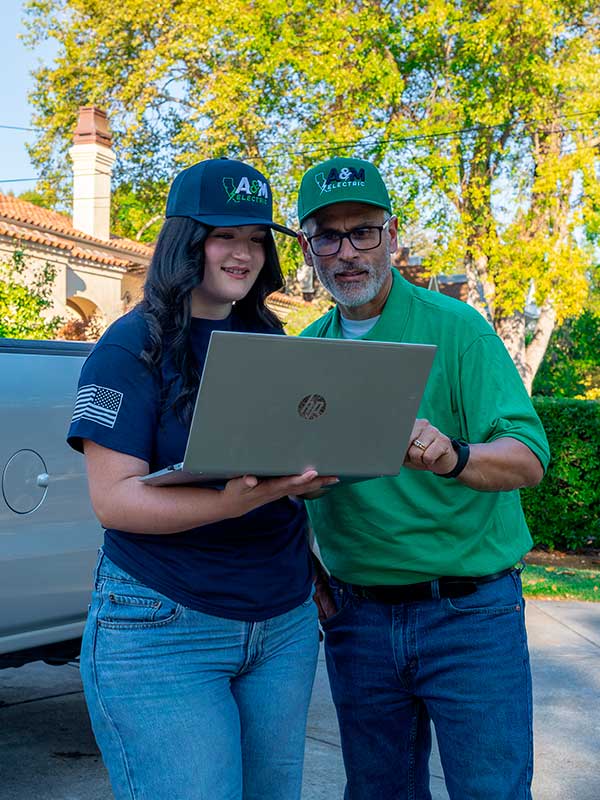
- 25 Years of Experience:
Extensive electrical experience helps with evaluating home electrical systems and planning safe generator connections. - Licensed and Certified:
A&M Electric is licensed and insured and holds C-10 license and Journeyman electrician qualifications. - Safety-Focused Work:
Generator connections are planned to prevent unsafe conditions such as backfeed, with safety treated as a priority and no shortcuts taken.
- Clear Communication:
Calls and emails are returned as soon as possible, and homeowners are notified if anything changes with the scheduled arrival. - Permits and Planning:
Required permits and engineering are included so homeowners do not have to coordinate those parts of the generator project themselves. - One-Year Workmanship Warranty:
Generator electrical work is backed by a one-year workmanship warranty, with discounts also available for seniors and veterans.
Prepare Your Home Before the Power Goes Out
A backup generator is most useful when the system has been planned before an outage occurs. Understanding your electrical needs, generator capacity, and safe connection options can help you choose a system that fits your household. For generator installation in Vacaville, Solano County, and nearby areas, call A&M Electric at 707-446-2127 to discuss your backup power needs.
FAQs - Ask About Generator Installation
The right generator size depends on which electrical loads you want to operate during an outage rather than simply the size of your house.
A homeowner who only wants to power essential circuits will have different needs than someone who wants broader backup coverage. Refrigeration, lighting, heating or cooling equipment, pumps, and other electrical loads should be considered when planning the system. An electrician can help identify the electrical requirements so the generator and electrical connection are based on realistic backup power needs rather than guesswork.
A generator transfer switch safely controls whether selected electrical circuits receive power from the utility or the generator.
This separation is important because generator electricity should not be allowed to feed back into utility lines. Backfeed can create a serious hazard for utility workers and others working on the electrical system. Depending on the generator setup, the transfer between power sources may be manual or automatic. The appropriate equipment depends on the generator, electrical system, and way the homeowner wants backup power to operate.
Transfer switches and interlock kits are different methods of controlling how generator power is connected to a home's electrical system.
A transfer switch uses dedicated equipment to transfer selected electrical loads between utility and generator power. A properly designed interlock system mechanically prevents the main utility breaker and generator breaker from being on at the same time. Which option is appropriate depends on the electrical panel, generator setup, local requirements, and how the homeowner wants to use the system. An electrician should evaluate compatibility before recommending either approach.
A generator may be able to provide broad home backup, but what it can power depends on the generator's capacity and the electrical demand of the equipment being used.
High-demand equipment can substantially affect generator sizing. Homeowners should decide which loads are essential and which can remain off during an outage. This approach can help determine whether targeted backup or a larger system makes more sense. Planning these priorities before installation also makes it easier to understand how the generator should be used when utility power is unavailable.
Generator backfeed is dangerous because electricity from the generator can travel beyond the home's electrical system and energize utility lines that may otherwise be expected to be without power.
This creates a serious risk for utility crews and can also damage electrical equipment. A generator should never be connected to a home through an improvised method intended to send power backward through a household outlet. Proper transfer equipment or another approved connection method keeps generator and utility power appropriately separated. This is one of the most important reasons to have generator wiring professionally installed.
A&M Electric begins by evaluating the home's electrical system, generator requirements, and the equipment or circuits the homeowner wants available during an outage.
The company has 25 years of electrical experience and holds C-10 certification and Journeyman electrician qualifications. Homeowners can expect an explanation of the recommended connection and how the backup system should operate. Safety is treated as a priority, with no shortcuts taken, and required permits and engineering are included when applicable. Completed generator electrical work includes a one-year workmanship warranty.
