Natural Stone Restoration
Contact Coastal Shine & Restore Today
Professional Natural Stone Cleaning & Polishing in Spring Hill, FL
Dull travertine, scratched marble, and discolored stone floors can make your home look worn, even when you clean regularly. Coastal Shine & Restore provides professional natural stone cleaning, polishing, and restoration near you in Spring Hill, FL, and surrounding Nature Coast communities. Florida's sandy soil and everyday foot traffic can gradually damage stone finishes. With 16 years of experience and IICRC certification in stone and masonry, we use specialized cleaning and restoration methods to help restore the beauty of your existing floors.
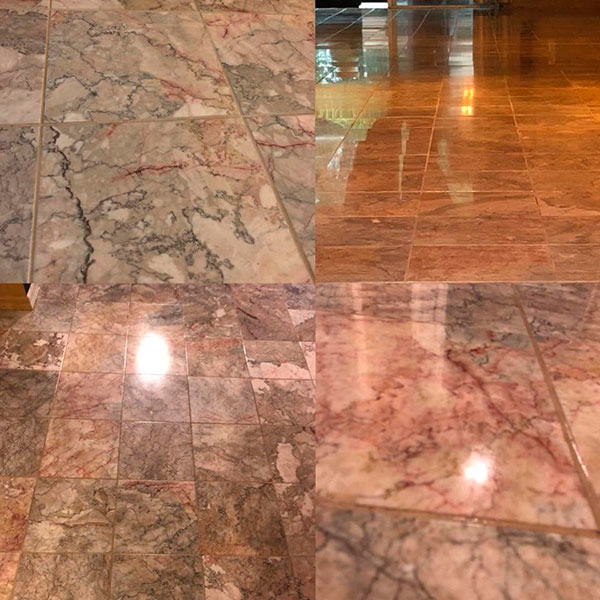
What's the Difference Between Natural Stone Cleaning and Restoration?
Natural stone cleaning removes dirt, stains, and buildup, while restoration addresses surface damage such as scratches, etching, and worn finishes. Some floors need only deep cleaning, while others benefit from grinding, honing, polishing, or sealing. At Coastal Shine & Restore, we evaluate the stone type, existing finish, and condition before recommending treatment. Our goal is to improve the appearance of your floors without unnecessary replacement.
How Are Travertine and Marble Floors Professionally Cleaned?
Professional stone cleaning removes accumulated soil while protecting surfaces that can be damaged by harsh chemicals or improper equipment. Our cleaning methods include:
- Treat stains and heavily soiled areas with stone-appropriate cleaning solutions.
- Remove embedded dirt from textured and porous stone surfaces.
- Use professional steam cleaning when suitable for the stone and its condition.
- Clean buildup from travertine and marble flooring.
- Address residue left behind by inappropriate household cleaning products.
What Does Natural Stone Floor Restoration Include?
Stone restoration can improve worn, scratched, or uneven finishes through specialized mechanical treatments. Depending on the condition of the flooring, we can:
- Grind: Address certain surface irregularities and more significant wear.
- Hone: Reduce scratches, etching, and dull areas to create a more even finish.
- Polish: Restore the desired level of shine to suitable stone surfaces.
- Seal: Apply an appropriate protective sealer to help reduce absorption.
- Restore: Improve floors affected by wear, discoloration, or previous treatment problems.
What Causes Natural Stone Floors to Lose Their Shine?
Natural stone can gradually become dull from everyday use, improper maintenance, and surface damage. Common causes include:
- Sand and grit scratching polished surfaces.
- Acidic spills causing etching on marble and travertine.
- Harsh household cleaners damaging sensitive stone finishes.
- Worn or incorrectly applied sealers affecting appearance.
- Heavy foot traffic gradually wearing down polished areas.
Throughout Spring Hill, Brooksville, Weeki Wachee, and surrounding Hernando County communities, natural stone floors are exposed to tracked-in sand, moisture, and daily wear. Travertine and marble require different care than ceramic or porcelain tile, making professional evaluation especially important. We'll explain the condition of your flooring, recommend the appropriate cleaning or restoration process, and help you understand what improvements are realistic before work begins.
Why Choose Coastal Shine & Restore?

16 Years of Experience
We understand how different stone materials and finishes respond to cleaning, polishing, and restoration.

IICRC-Certified Expertise
Our stone and masonry certification supports our knowledge of proper surface care and restoration methods.

Specialized Equipment
We use professional grinding, honing, polishing, and cleaning equipment suited to the stone's condition.

Honest Recommendations
We recommend cleaning when it's sufficient and more involved restoration only when the surface condition calls for it.

Family-Owned Service
Our locally owned, family-operated business provides personal attention, clear explanations, and careful treatment of your property.

Satisfaction Guarantee
We stand behind our work and offer senior and military discounts.
Restoring Travertine Floors Damaged by Improper Sealing
Google Review: Andrea Wilcome - Travertine Floor Cleaning and Restoration
Andrea Wilcome's travertine floors had become dull and dingy. To make matters worse, a previous company had sealed them incorrectly, leaving noticeable discoloration.
Andrea wasn't sure the floors could ever have the clean, polished appearance she originally wanted.
Coastal Shine & Restore evaluated the condition of the natural stone and completed the cleaning and restoration work. Andrea appreciated the team's knowledge, confidence, and attention to detail throughout the project.
The transformation exceeded her expectations.
~ Andrea
Andrea was equally pleased with the customer service. She described the team as professional and detail-oriented from start to finish.
This project highlights the importance of working with professionals who understand natural stone flooring, especially when previous cleaning or sealing work has caused problems.
Services Demonstrated: Travertine cleaning, natural stone restoration, floor discoloration correction.
Bring Back the Beauty of Your Natural Stone Floors
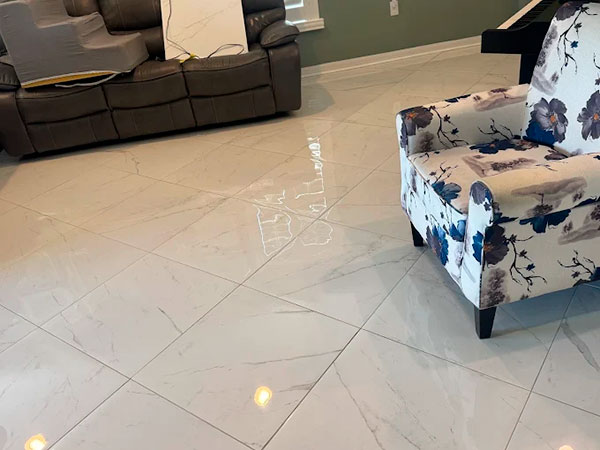
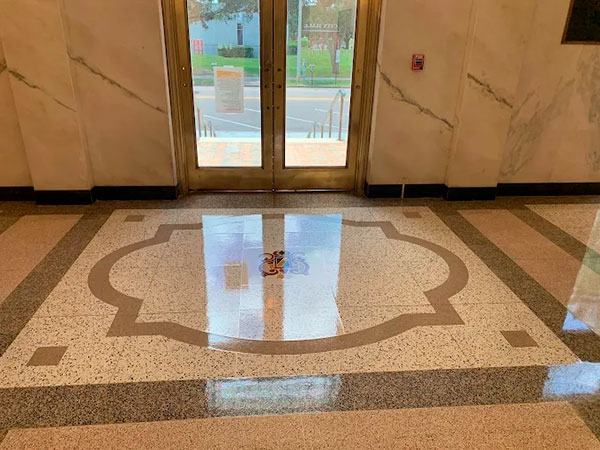
Dull, scratched, or discolored stone floors don't always need replacing. Coastal Shine & Restore helps homeowners and businesses throughout Spring Hill, Hernando County, Citrus County, and Florida's Nature Coast restore travertine, marble, and other natural stone surfaces. Call 352-515-0402 to discuss professional stone cleaning, polishing, or restoration and request an estimate.
Common Questions About Natural Stone Cleaning & Polishing
- Stone type: Travertine, marble, and other materials require different treatments.
- Floor condition: Scratches, stains, etching, and uneven finishes may require additional work.
- Square footage: Larger areas require more labor and materials.
- Restoration level: Grinding, honing, and polishing involve different equipment and time requirements.
- Sealing: Applying a protective sealer adds another step.
Yes, many dull travertine floors can be restored through professional cleaning, honing, and polishing without replacing the existing stone.
Travertine often loses its appearance gradually as dirt accumulates and everyday foot traffic wears down the finish.
Restoration options may include:
- Deep cleaning: Removes embedded dirt and residue.
- Honing: Reduces surface scratches and dull areas.
- Polishing: Restores the desired level of sheen.
- Sealing: Helps protect the stone from absorbing future spills.
- Surface evaluation: Identifies damage that may require more extensive treatment.
The results depend on the stone's condition, previous treatments, and whether there are structural problems.
Restoration is often worth considering before replacement because the original stone may still have many years of useful life.
Natural stone floors affected by an improperly applied sealer can sometimes be restored, but the appropriate correction depends on the product used and how it affected the stone.
Some sealers penetrate the stone, while others form a coating on the surface. Incorrect application can leave uneven color, cloudy areas, or unwanted residue.
Common problems include:
- Excess sealer left on the surface.
- Uneven application causing blotchy areas.
- Incompatible products changing the stone's appearance.
- Coatings that trap dirt or become difficult to maintain.
- Previous treatments that interfere with cleaning or polishing.
Correction may involve removing an existing coating, cleaning the surface, or performing additional restoration.
A professional evaluation helps determine what can be safely corrected without causing further damage.
- Light scratches: May be reduced through polishing or light honing.
- Etch marks: Often require honing or polishing to restore the finish.
- Deeper scratches: May need more extensive grinding or honing.
- Widespread dullness: May benefit from restoring the finish across a larger area.
- Cracks or chips: May require separate repair rather than polishing alone.
- Stone porosity: More absorbent materials may benefit from sealing.
- Existing sealer: A previously sealed floor may not need immediate resealing.
- Stone finish: Polished and honed surfaces can absorb liquids differently.
- Product compatibility: Sealers must be appropriate for the stone.
- Maintenance: Sealing does not eliminate the need for proper cleaning.
- Remove sand regularly: Sweep or vacuum with a floor-safe attachment to reduce scratching.
- Use pH-neutral cleaners: Choose products labeled for natural stone.
- Clean spills promptly: Especially acidic liquids that may etch the surface.
- Avoid vinegar and harsh chemicals: These can damage certain stone finishes.
- Use entry mats: Reduce the amount of sand and grit tracked indoors.
- Monitor worn areas: Address dullness before extensive restoration becomes necessary.