EV Charger Installation
Contact Dorado Electric Today
Professional EV Charger Installation in Santa Maria, CA
Charging your electric vehicle at home makes daily driving more convenient, but installing a charger requires the right electrical setup. Dorado Electric provides EV charger installation near you in Santa Maria, CA, and throughout the California Central Coast. Our licensed and insured electricians install Level 2 charging stations for homes and businesses, including Tesla Wall Connectors and other compatible equipment. With 10 years of experience, we help customers choose practical charging solutions while considering electrical capacity, installation costs, and safety requirements.
What Should You Know Before Installing an EV Charger?
Professional EV charger installation involves more than mounting a charger and connecting wires. The electrician must evaluate your electrical panel, calculate the available capacity, and determine the proper circuit and charger location. Dorado Electric reviews your charging needs and existing electrical system before recommending an installation approach that balances convenience, charging performance, and cost.
What Types of EV Chargers Can Be Installed?
Level 2 chargers use a 240-volt electrical connection and generally charge electric vehicles much faster than standard 120-volt outlets.
- Install Level 2 home EV charging stations for convenient overnight charging.
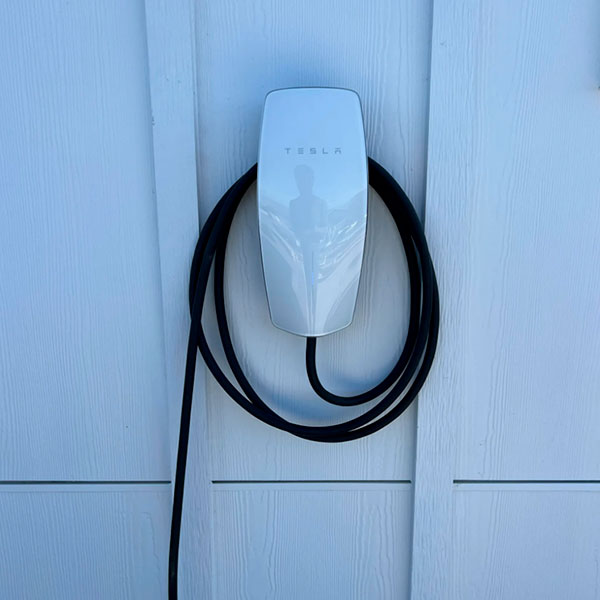
- Install Tesla Wall Connectors for compatible electric vehicles.
- Hardwire EV chargers directly into dedicated electrical circuits.
- Install suitable NEMA 14-50 outlets for compatible plug-in charging equipment.
- Install charging stations in garages, driveways, and other appropriate locations.
- Provide commercial EV charging installations for employees, customers, or business vehicles.
How Do Electricians Determine Whether Your Home Can Support an EV Charger?
Before installing an EV charger, an electrician evaluates the electrical system to determine whether it can safely handle the additional demand.
- Calculate existing electrical loads from appliances, heating, cooling, and other equipment.
- Check available electrical panel capacity and breaker space.
- Determine appropriate circuit wiring and breaker requirements.
- Evaluate the distance between the panel and the proposed charging location.
- Review options for lower-amperage charging or approved load management.
- Identify whether electrical improvements are needed before installation.
Where Should an EV Charging Station Be Installed?
The best location depends on where you park, the charger's specifications, and the available electrical connections.
- Position garage chargers where the cable can comfortably reach the vehicle.
- Install outdoor chargers rated for the expected weather conditions.
- Plan charging access for households with multiple electric vehicles.
- Select mounting locations that protect equipment from unnecessary damage.
- Route electrical wiring and conduit safely while considering appearance.
In Santa Maria and Orcutt, attached garages often provide convenient charging locations. Older homes may need electrical capacity improvements, while households in Nipomo may benefit from planning for more than one vehicle. Near Guadalupe and other coastal communities, outdoor charging equipment must be suitable for moisture and weather exposure. Dorado Electric evaluates these conditions, explains your installation options, and completes the approved work with careful attention to safety, functionality, and appearance.
Why Choose Dorado Electric?
1
Licensed & Insured
Our C-10 and journeyman credentials provide confidence that your EV charger is installed by qualified electrical professionals.
2
10 Years of Experience
We evaluate electrical capacity, circuit requirements, and practical installation options before beginning work.
3
Free Estimates & Upfront Pricing
Understand the recommended installation and competitive pricing before making a decision.
4
Clear Communication
We explain charger options, electrical requirements, and what to expect during installation.
5
Careful Installation Planning
We consider charger placement, wiring routes, and the finished appearance of your property./p>
6
One-Year Workmanship Warranty
Our workmanship warranty provides additional peace of mind after qualifying installation work is completed.
"He found a better strategy (tapping into the main line) than a previous electrician to avoid extra conduit running through the garage to indoor panel."
~ Chad Brantley, Google Review
Read Chad Brantley's Full Review
Featured Project: A Smarter EV Charger Installation
EV Charger Installation | California Central Coast
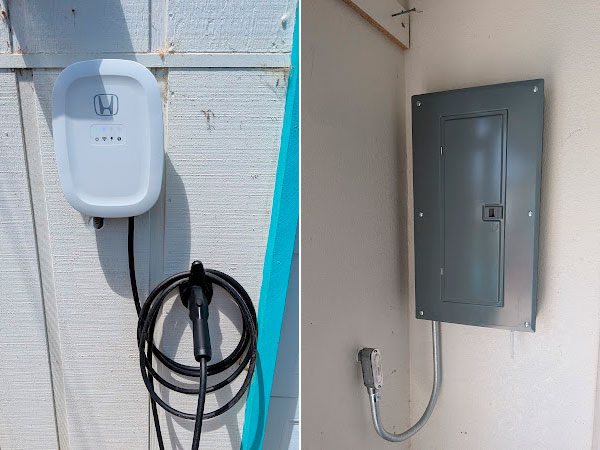
When a homeowner needed an EV charging station installed through Honda, another electrician had proposed running additional conduit through the garage to reach the home's electrical panel.
Eric from Dorado Electric took a closer look at the existing panel configuration and identified a better approach.
By evaluating the home's electrical setup before starting, Eric found a solution that avoided unnecessary conduit and provided a cleaner installation.
The homeowner also appreciated the fast service and clear communication, describing the entire experience as quick and painless.
Dorado Electric takes the time to evaluate your electrical system and recommend practical solutions for your EV charger installation.
Make EV Charging More Convenient at Home or Work
A professionally installed Level 2 charger can make daily electric vehicle charging easier and more dependable. Dorado Electric provides residential and commercial EV charger installation throughout Santa Maria, northern Santa Barbara County, and San Luis Obispo County. We'll evaluate your electrical system, explain your charging options, and provide a free estimate.
Call 805-245-7663 to get started.
Common Questions About EV Charger Installation in Santa Maria
EV charger installation costs depend on the charging equipment, your home's existing electrical system, and the amount of wiring required.
A straightforward installation near an electrical panel generally costs less than one requiring a long wiring run or electrical capacity improvements.
Factors that affect pricing include:
- Charger Type: Different Level 2 chargers have different equipment costs and installation requirements.
- Panel Capacity: Some homes need electrical improvements before supporting a higher-powered charger.
- Installation Distance: Longer wiring runs generally increase labor and material costs.
- Charger Location: Outdoor installations may require additional weather protection.
- Permits and Inspections: Required approvals can affect the total project cost.
Dorado Electric offers free estimates and upfront, competitive pricing. We evaluate your electrical system and explain the recommended installation so you understand the cost before moving forward.
Not necessarily. Many homes can support a Level 2 EV charger without replacing the existing electrical panel, but the answer depends on available electrical capacity.
An electrician should perform a load calculation before deciding whether an upgrade is necessary.
Important considerations include:
- Existing Service Capacity: The total amount of electricity available to the home.
- Current Electrical Demand: Power used by air conditioning, heating, appliances, and other equipment.
- Charging Amperage: Higher charging rates generally require more electrical capacity.
- Available Breaker Space: Whether the panel can accommodate the necessary circuit.
- Load Management: Approved equipment may allow charging without increasing service capacity.
A 100-amp electrical service does not automatically rule out Level 2 charging.
Dorado Electric can evaluate your system and recommend a suitable charging setup without assuming a panel upgrade is required.
A hardwired EV charger is often a good choice for a permanent charging location, while a compatible plug-in charger can provide flexibility.
Both options can support Level 2 charging when installed correctly.
Hardwired EV Chargers:
- Connect directly to a dedicated electrical circuit.
- Eliminate the plug-and-receptacle connection.
- May support higher charging output, depending on the equipment and circuit.
- Work well for permanent garage or outdoor installations.
Plug-In EV Chargers:
- Use a properly installed, compatible 240-volt receptacle.
- May be easier to replace or relocate.
- Must follow the charger's installation instructions and applicable electrical requirements.
- Require a receptacle suitable for repeated EV charging loads.
The right choice depends on your charger, parking location, electrical capacity, and future plans.
Dorado Electric can explain which installation method makes the most sense for your property.
Many straightforward home EV charger installations can be completed in a few hours, although projects involving additional electrical work may take longer.
Installation time depends on the home's electrical setup and the location of the charging station.
Factors include:
- Distance From the Panel: Longer wiring routes can require additional installation time.
- Electrical Capacity: Existing service limitations may require additional planning or improvements.
- Mounting Location: Garage and outdoor installations have different requirements.
- Wiring Accessibility: Finished walls, ceilings, or difficult routes can increase labor.
- Permits and Inspections: Required approvals may affect the overall project schedule.
An electrician should also verify the circuit and charger configuration before the equipment is used.
Dorado Electric can explain the expected installation process and scheduling after evaluating your property.
Yes. EV chargers can be installed outdoors when the equipment is approved for outdoor use and installed according to manufacturer instructions and applicable electrical requirements.
Outdoor charging is useful for homes without garages and for commercial properties with designated parking areas.
Important considerations include:
- Weather Rating: The charger must be suitable for outdoor exposure.
- Mounting Location: Equipment should be positioned to reduce unnecessary exposure and physical damage.
- Electrical Protection: Wiring, connections, and circuit protection must meet applicable requirements.
- Cable Reach: The charging cable should comfortably reach the vehicle without creating a hazard.
- Security and Access: The location should allow convenient charging while protecting the equipment.
Near Guadalupe and other coastal areas, moisture and salt air can contribute to corrosion in exposed electrical components.
Dorado Electric can help select an appropriate outdoor installation location and wiring approach.
Yes, certain EV charging systems allow two vehicles to share available electrical capacity through approved power-sharing or load-management features.
However, two ordinary chargers should not simply be connected to the same circuit without equipment specifically designed and approved for that arrangement.
Options may include:
- Dual-Port Chargers: Equipment designed to charge two vehicles from one charging station.
- Power-Sharing Chargers: Compatible chargers that automatically divide available power.
- Load-Management Systems: Equipment that adjusts charging based on electrical demand.
- Separate Circuits: Dedicated charging circuits when the electrical system has sufficient capacity.
- Scheduled Charging: Charging vehicles at different times to manage household electricity use.
For households in Santa Maria, Orcutt, and Nipomo with multiple electric vehicles, planning ahead can help avoid unnecessary electrical changes later.