Sewer Backup Cleanup
Contact Rapid Restore Group 24/7
24/7 Emergency Services
24/7 Sewer Backup Cleanup in Manhattan, KS
A sewer backup can leave your home or business with contaminated water that requires more than ordinary water removal. Rapid Restore Group provides 24/7 sewer backup cleanup in Manhattan, KS, with local help near you throughout the MHK area and Riley County. From basement sewage backups to overflowing toilets and drains, our IICRC-certified team responds quickly to extract wastewater, address contaminated areas, and guide you through the cleanup process.
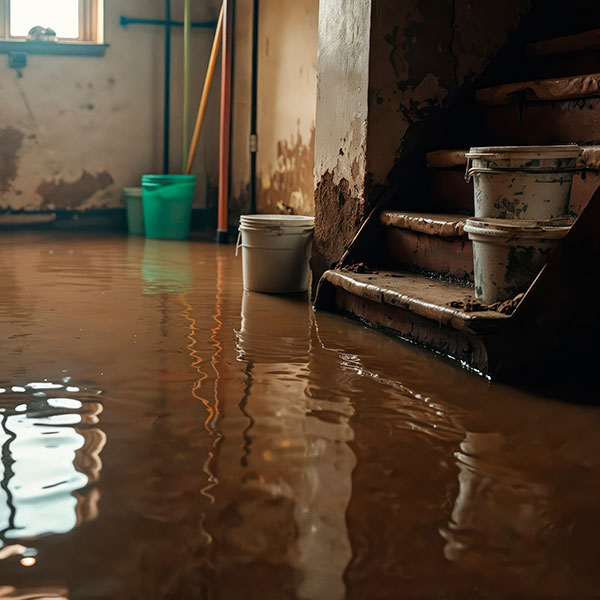

Information About Sewer Backup Cleanup
Sewer backup cleanup involves removing sewage and contaminated water, addressing affected materials, and cleaning the impacted area before drying can begin. Because sewage may contain harmful contaminants, it should be treated differently from a typical clean-water leak. We evaluate where the wastewater traveled, what materials were affected, and what cleanup steps are appropriate before work begins.
Sewage Extraction & Contaminated Water Cleanup
The first priority is getting sewage and wastewater out of the property while identifying areas that have been affected.
- Extract sewage and standing wastewater from affected areas
- Remove contaminated water from basements and lower levels
- Clean up overflowing toilets and backed-up drains
- Address sewer water that has spread into nearby rooms
- Remove sewage after backups in homes, apartments, and businesses
- Provide 24/7 emergency sewage extraction and cleanup
Cleaning & Sanitizing After a Sewer Backup
Sewage is considered contaminated water, often called black water, so simply extracting the liquid is not enough.
- Address materials contaminated by sewage or wastewater
- Clean and disinfect affected surfaces as appropriate
- Use RMR products during the cleaning and disinfecting process
- Address sewage residue and related odors
- Use Prochem truck-mounted equipment for extraction when appropriate
- Prepare affected areas for structural drying
Drying the Property After Sewage Removal
After contaminated water and affected materials are addressed, remaining moisture needs to be managed so the structure can dry properly.
- Use AlorAir dehumidifiers to reduce excess moisture
- Position air movers where appropriate for structural drying
- Dry affected floors, walls, and other materials that can remain
- Monitor drying conditions as the project progresses
- Document mitigation work for insurance claims
Rapid Restore Group handles the cleanup, mitigation, and drying portion of the project, not full reconstruction. If repairs or rebuilding are needed afterward, we can connect you with trusted partners for that next phase.
Sewer backups around Manhattan can affect basements, lower-level living spaces, apartments, rental properties, and commercial buildings. Heavy rainfall and drainage problems can contribute to some backup situations, while older drain and sewer lines or tree-root problems may also be involved. Professional cleanup addresses the contaminated water inside the property while helping you understand what needs to happen before repairs can safely move forward.
Why Choose Rapid Restore Group
- 24/7 Emergency Response:
Sewer backups require prompt attention, so emergency cleanup is available around the clock. - IICRC Certified:
WRT and ASD training provides specialized knowledge in water extraction, moisture management, and structural drying. - 40 Years of Experience:
Decades of experience help us evaluate affected areas and explain each stage of the cleanup process. - Licensed & Insured:
Homeowners, landlords, and businesses can work with a properly licensed and insured local mitigation company. - Clear Guidance:
We explain what has been affected, what the cleanup involves, and what you can expect throughout the project. - Insurance Assistance:
We can help document the damage and assist with insurance communication on your behalf when applicable.
Get Help With a Sewer Backup Now
Sewage in a basement, bathroom, apartment, or commercial property requires prompt attention because both contamination and water damage need to be addressed. Rapid Restore Group provides 24/7 sewer backup and sewage cleanup in Manhattan, Riley County, and throughout the MHK area. For emergency sewage removal and cleanup near you, call 844-237-9327.
Frequently Asked Questions About Sewer Backup Cleanup
What should I do if sewage backs up into my house?
If sewage backs up into your home, avoid contact with the contaminated water and arrange for professional cleanup as soon as possible.
A sewer backup is different from a typical plumbing leak because the water may contain sewage and other contaminants. Until the affected area has been evaluated:
- Keep children and pets away from the area.
- Avoid walking through sewage when possible.
- Do not handle contaminated materials unnecessarily.
- Avoid using affected plumbing if doing so could worsen the backup.
- Document visible damage from a safe location for insurance purposes.
- Contact a professional sewage cleanup company.
Once the source of the backup is being addressed, professional cleanup can focus on sewage extraction, contaminated materials, cleaning, disinfecting, and drying the affected structure.
Why can't I clean up a sewer backup myself?
Professional cleanup is recommended for significant sewer backups because sewage-contaminated water can expose people and building materials to biological contaminants that require careful handling.
A wet vacuum and household cleaner may remove visible water without fully addressing everything that has been affected. Professional cleanup considers:
- Where contaminated water traveled
- Which porous materials were affected
- What materials can appropriately remain
- Cleaning and disinfecting needs
- Moisture remaining after sewage extraction
- Structural drying after contaminated materials are addressed
The amount of visible sewage also does not necessarily show the full extent of the problem. Wastewater can spread underneath flooring or into adjoining materials, making a professional assessment useful even after the standing water is gone.
What is black water, and is a sewer backup considered black water?
Black water is a term used for highly contaminated water, and sewage from a sewer backup is generally treated as this type of water because of the potential contaminants it contains.
This distinction matters because cleanup procedures are different from those used for water from a clean plumbing supply line. Sewer backup cleanup may require:
- Controlled sewage extraction
- Removal of contaminated materials
- Cleaning and disinfecting
- Appropriate handling of affected contents or surfaces
- Moisture control and structural drying
The goal is not simply to make the area look dry. Professional sewage cleanup considers both contamination and moisture so the property can be properly prepared for the repairs that may follow.
What materials may need to be removed after a sewage backup?
Materials that have direct contact with sewage may need to be evaluated for removal because porous building materials can absorb contaminated water.
What can remain depends on the material, extent of exposure, and conditions at the property. Areas that may require closer evaluation include:
- Carpet and carpet padding
- Drywall
- Insulation
- Some flooring materials
- Baseboards and other porous finishes
- Stored belongings in flooded basements
Not every sewer backup affects a property in exactly the same way, so the appropriate response should be based on the actual conditions rather than a standard list of items to remove.
Rapid Restore Group evaluates the affected area and explains what needs to be addressed before proceeding with cleanup and drying.
Does sewer backup cleanup include repairing the sewer line and rebuilding my home?
No. Sewer backup cleanup focuses on removing sewage, addressing contamination, and drying the affected property rather than repairing the sewer line or completing full reconstruction.
Several different types of work may be involved after a backup:
- A plumbing or sewer professional may need to correct the source of the backup.
- Rapid Restore Group handles sewage removal and cleanup inside the affected property.
- Contaminated materials may need to be addressed during mitigation.
- Structural drying may follow the initial cleanup.
- Repairs or reconstruction may be needed afterward.
Rapid Restore Group does not perform full reconstruction. When repairs or rebuilding are necessary after cleanup, we can connect you with trusted partners who handle that portion of the project.
Can heavy rain cause a sewer backup in a basement?
Heavy rainfall can contribute to some sewer and drainage backup situations, but the exact cause of a backup needs to be determined rather than assumed.
Around Manhattan and Riley County, severe thunderstorms and periods of heavy rainfall can create a lot of water in a short time. A backup may also involve other conditions, such as:
- Drainage problems
- Aging sewer or drain lines
- Tree roots affecting sewer lines
- Blockages within the plumbing or sewer system
- Problems that become noticeable during periods of heavy water flow
Rapid Restore Group's role is to clean up the sewage and resulting water damage inside the property. The underlying plumbing or sewer problem should also be corrected so additional wastewater does not continue entering the affected area.