EV Charger Installation
Contact Right Electrical Power Services Today
Professional EV Charger Installation in Bloomington, CA
Charging your electric vehicle at home is more convenient when you have a properly installed charger ready to use in your garage or driveway. Right Electrical Power Services provides EV charger installation in Bloomington, CA and throughout San Bernardino County and the Inland Empire. With 15 years of experience, REPS can evaluate your home's electrical capacity, charger requirements, and installation location before recommending the wiring and circuit needed for safe, reliable charging.
Information About EV Charger Installation
EV charger installation involves more than mounting a charger on the wall. The electrician needs to consider the charger, available electrical capacity, circuit requirements, wiring route, and installation location. REPS evaluates these factors before work begins so you can understand what the installation requires, including whether your existing electrical system can support the charger you want.
01
Level 2 Home EV Charger Installation
Level 2 charging is a popular choice for homeowners who want faster, more convenient charging at home.
- Install Level 2 EV chargers for home charging
- Add the appropriate 240-volt circuit for the charger
- Install dedicated circuits for electric vehicle charging
- Hardwire compatible EV charging equipment
- Install chargers in garages and suitable outdoor locations
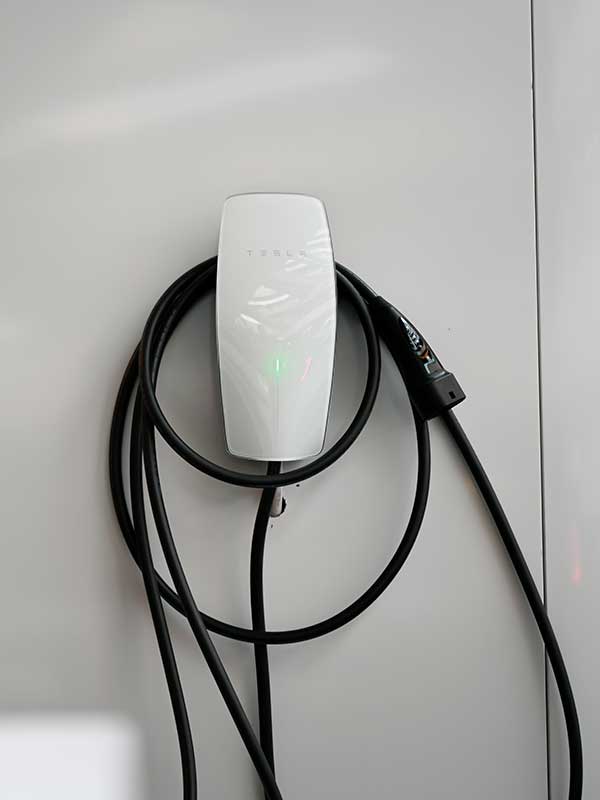
- Install compatible Tesla home charging equipment
02
Electrical Capacity & Charger Requirements
The charger you choose and your home's existing electrical demand both affect how the installation should be planned.
- Evaluate available electrical capacity for EV charging
- Review the electrical requirements of the selected charger
- Determine appropriate circuit and wiring requirements
- Consider existing household electrical loads
- Identify when additional electrical upgrades may be needed
- Plan wiring routes between the electrical source and charger location
03
EV Charging for Commercial Properties
Businesses can also add charging to serve company vehicles, employees, customers, tenants, or other property users.
- Install EV charging stations at commercial properties
- Plan electrical connections for multiple EV chargers
- Evaluate available capacity for commercial charging
- Add circuits for EV charging equipment
- Install charging equipment in appropriate parking locations
An EV charger adds a significant electrical load, which makes evaluating the existing system an important part of the project. This can be especially relevant in older Bloomington and Inland Empire homes where the electrical system was installed before EV charging became common. REPS explains the installation requirements and provides upfront pricing before approved work begins, helping you make an informed decision about the charger and electrical work.
Why Choose Right Electrical Power Services

15 Years of Experience
Electrical experience helps REPS evaluate both the charger requirements and the home's existing electrical system before installation.
C-10 Licensed & Insured
Your EV charging equipment is connected to your home by a licensed and insured California electrical contractor.
Capacity Evaluation
We consider your existing electrical demand and charger requirements rather than assuming every home needs the same installation.
Upfront Pricing
You can review the expected cost of the approved installation before work begins.
1-Year Workmanship Warranty
EV charger installation work is backed by a one-year workmanship warranty.
Clear Communication
We explain your electrical options and installation requirements so you can make a decision that fits your property and charging needs.
Make Home EV Charging More Convenient
A professionally installed EV charger gives you a convenient place to charge without guessing whether your home's electrical system can support the equipment. Right Electrical Power Services installs EV chargers in Bloomington and throughout San Bernardino County and the Inland Empire. Call 951-729-9860 to discuss your vehicle, charger, and installation needs.
Frequently Asked Questions
Home EV charger installation typically requires a suitable charging location, adequate electrical capacity, and a properly sized circuit for the charging equipment you plan to use.
An electrician will need to consider factors such as:
- The charger manufacturer's electrical requirements
- Your home's available electrical capacity
- The required voltage and circuit size
- Distance between the electrical source and charger
- Indoor or outdoor installation
- Hardwired versus plug-in charging equipment
Because homes and chargers differ, there is no single installation setup that works for every property. Evaluating these factors first helps determine what electrical work your particular charger requires.
Not every Level 2 EV charger installation requires a panel upgrade; it depends on the capacity of your existing electrical system and the additional load created by the charger.
An electrician can evaluate:
- Existing electrical service capacity
- Current household electrical demand
- Available panel space
- Charger amperage and circuit requirements
- Other high-demand equipment in the home
This is why it is useful to evaluate the electrical system before assuming a panel replacement is necessary. REPS can determine what the charger requires and explain your options if the existing system cannot support the planned installation as-is.
The right home EV charger depends on your vehicle, charging needs, electrical system, and where the charger will be installed.
Considerations can include:
- Compatibility with your vehicle
- Desired charging speed
- Charger amperage
- Available home electrical capacity
- Indoor or outdoor installation
- Plug-in versus hardwired installation
Choosing a higher-powered charger does not automatically mean it is the best option for every home. The charger's capabilities need to be considered along with the vehicle and electrical system. REPS can explain the electrical requirements of the charger you are considering so you can make a more informed choice.
Many EV chargers are designed for outdoor installation, but the specific charger and installation must be suitable for the location and conditions where it will be used.
An outdoor installation may require consideration of:
- The charger's outdoor-use rating
- Exposure to weather
- Charger mounting location
- Wiring and electrical connections
- Distance from the electrical source
- Where the vehicle will normally be parked
Selecting the installation location before electrical work begins also helps determine the wiring route and project scope. An electrician can review the proposed location and the charger's requirements to determine an appropriate installation approach.
Yes. REPS can install commercial EV charging equipment for businesses and other commercial properties in Bloomington, San Bernardino County, and the Inland Empire.
Commercial projects may involve:
- One or multiple charging stations
- Charging for employees or company vehicles
- Customer or visitor charging
- Electrical capacity for multiple chargers
- Parking and charger locations
- Planning for future charging needs
For businesses, EV charging can also be considered as part of a broader property investment. The potential value depends on who will use the chargers, how frequently they will be used, installation costs, and the goals of the business, so those factors should be considered before determining potential return on investment.
EV charger installation cost depends on the charging equipment, existing electrical system, and the amount of electrical work required to reach the installation location.
Factors that can affect the price include:
- Charger type and electrical requirements
- Distance from the electrical source to the charger
- Circuit and wiring requirements
- Indoor versus outdoor installation
- Existing electrical capacity
- Additional electrical work required for the installation
A charger installed near an electrical source may involve a different scope than one requiring a longer wiring route or electrical upgrades. REPS evaluates the project and provides upfront pricing so you understand the expected cost before approving the work.