Carpet & Spot Dyeing
Contact Vic's Carpet Dry Cleaners & Dyers Today
Professional Carpet & Spot Dyeing in West Chester, PA
Serving Chester, Montgomery, Delaware, and Bucks Counties.
Bleach spots, faded areas, and chemical stains can leave permanent discoloration on carpeting that is otherwise in good condition. Vic's Carpet Dry Cleaners & Dyers provides professional carpet dyeing and spot dyeing in West Chester, PA, helping homeowners and businesses restore damaged carpet colors without unnecessary replacement. From accidental bleach spills to sun fading in rooms with large windows, carpet discoloration is a common problem. With over 40 years of experience, Vic offers specialized color restoration services that can help extend the life of your existing carpet.
How Can Professional Carpet Dyeing Restore Damaged Carpet Color?
Professional carpet dyeing restores or adjusts carpet color using dyes selected for the carpet's fibers and existing color. Unlike ordinary stain removal, color restoration addresses areas where the original dye has been altered or removed. Vic evaluates the carpet's fiber type, color damage, and overall condition before recommending spot dyeing or a larger color restoration treatment. Many qualifying repairs can be completed on-site, allowing customers to use their carpeting again in less than one hour.
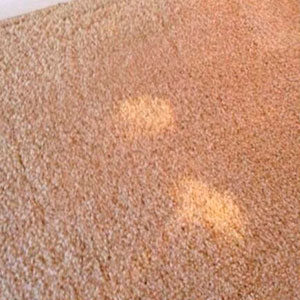
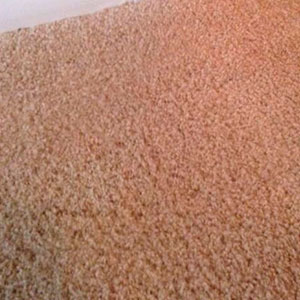
Can Bleach Spots and Chemical Discoloration Be Repaired?
Many bleach spots and chemically discolored areas can be improved through professional color correction when the carpet fibers are suitable for dyeing.
- Bleach Spot Repair:
Restore color to qualifying areas damaged by household bleach. - Cleaning Chemical Damage:
Address discoloration caused by certain household cleaning products. - Carpet Color Correction:
Adjust uneven color where the original dye has been altered. - Localized Spot Dyeing:
Treat small damaged sections without replacing the entire carpet. - Color Matching:
Blend replacement dye with the surrounding carpet as closely as possible.
What Carpet Color Restoration Services Are Available?
Different types of discoloration require different dyeing techniques and color adjustments.
- Carpet Spot Dyeing:
Restore color to isolated bleach spots and small discolored areas. - Carpet Dye Restoration:
Improve qualifying areas where carpet color has faded or changed. - Color Matching:
Select and blend dyes to achieve a close match with the existing carpet.
- Faded Carpet Treatment:
Evaluate color loss caused by sunlight, age, or chemical exposure. - Professional Dye Application:
Apply color using techniques appropriate for the carpet's fiber type and condition.
Why Consider Carpet Dyeing Instead of Replacement?
Carpet color restoration can be a practical alternative when the carpet remains structurally sound but has visible discoloration.
- Preserve Existing Carpet:
Keep carpeting that is otherwise in good condition. - Repair Isolated Damage:
Correct qualifying bleach spots without replacing an entire room. - Reduce Replacement Costs:
Avoid unnecessary expenses when color restoration is feasible. - Minimize Disruption:
Complete many on-site spot dyeing repairs without extensive downtime. - Extend Carpet Life:
Improve appearance and continue using carpeting that still has useful life remaining.
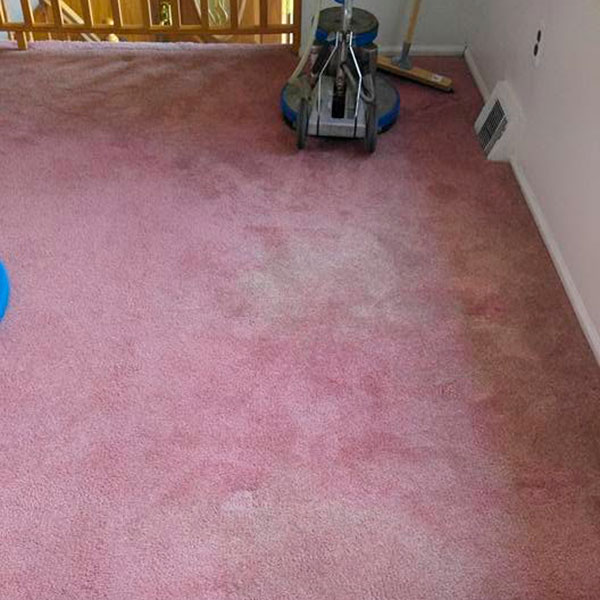
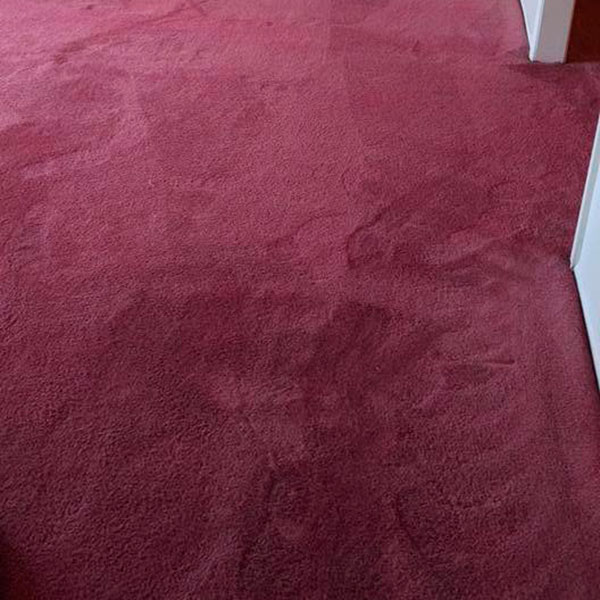
Homes and businesses throughout West Chester, Downingtown, Media, and surrounding communities can develop carpet discoloration from cleaning chemicals, sunlight, and everyday accidents. Older carpets may also show uneven fading after years of use. Professional spot dyeing offers a way to address these problems without automatically replacing the flooring. Vic provides on-site carpet dyeing and color restoration, evaluates whether the carpet is a suitable candidate, and explains the expected results before beginning work.
Why Choose Vic's for Carpet Cleaning?
Over 40 Years of Experience
Vic brings decades of experience to evaluating carpet damage and recommending color restoration.
Owner-Performed Cleaning
Vic personally handles the work, providing consistent attention to detail and direct communication.
Specialized Color Restoration
Carpet spot dyeing and color correction address damage that ordinary cleaning cannot reverse.
Written Estimates
Understand the recommended treatment and associated costs before approving service.
Fast Return to Use
Many qualifying dyeing repairs allow customers to walk on their carpets in less than one hour.
Warranty Provided
Carpet dyeing services include warranty coverage, with applicable terms explained before the work begins.

Restore Your Carpet's Color Without Replacing the Entire Floor
A bleach spot or faded section does not always mean your carpet needs replacement. Vic's Carpet Dry Cleaners & Dyers offers specialized on-site carpet dyeing and color restoration for homeowners and businesses throughout West Chester and surrounding communities. With over 40 years of experience, Vic can evaluate your carpet and determine whether spot dyeing is a practical solution. Call 610-486-0420 to discuss your carpet discoloration and request a written estimate.
Common Questions About Carpet Dyeing & Color Restoration
Yes. Many bleach spots can be repaired through professional carpet spot dyeing, provided the carpet fibers are suitable for dyeing and the damage has not weakened the material.
Bleach removes or changes the original carpet dye, which is why ordinary cleaning cannot restore the missing color.
Several factors determine whether repair is possible:
- Fiber Type: Some carpet materials accept replacement dyes better than others.
- Bleach Concentration: Strong chemical exposure may damage both the dye and fibers.
- Original Carpet Color: Complex colors may require careful dye blending.
- Spot Size: Small areas are often easier to correct than widespread discoloration.
- Carpet Condition: Worn or deteriorated fibers may limit the results.
Vic evaluates the damaged area and determines whether professional color correction can produce an acceptable match.
Carpet spot dyeing costs depend on the size and number of damaged areas, the carpet's fiber type, and the complexity of matching the original color.
Several factors influence pricing:
- Spot Size: Larger areas generally require more time and dye.
- Number of Spots: Multiple damaged areas may increase the total cost.
- Color Complexity: Some carpet colors require blending several dyes.
- Fiber Type: Different materials have different dyeing requirements.
- Extent of Damage: Severe discoloration may require additional treatment or may not be repairable.
For small areas of color damage, professional spot dyeing may cost considerably less than replacing an entire room of carpeting.
Vic provides written estimates so you can compare the proposed repair cost with replacement before making a decision.
Professional carpet dyeing can often achieve a close match to the original carpet color, although an exact match is not always possible.
Successful color correction depends on several conditions:
- Existing Color: The surrounding carpet may have faded or changed over time.
- Fiber Composition: Different fibers absorb and retain dyes differently.
- Original Dye Damage: Chemical exposure can change the underlying color.
- Lighting: Carpet colors may appear different under natural and artificial light.
- Carpet Wear: Flattened or damaged fibers may reflect light differently.
Professional color matching involves evaluating the existing carpet and selecting dyes that blend with the surrounding fibers.
Vic can explain the likely results before treatment. The goal is to make the damaged area less noticeable while maintaining a natural appearance.
Not every carpet fiber responds to professional dyeing. The material must be capable of accepting and retaining the replacement color.
Common carpet fibers include:
- Nylon: Many nylon carpets are suitable candidates for professional dye restoration.
- Wool: Wool can accept dyes, although the correct treatment depends on its condition and construction.
- Polyester: Many polyester carpets are difficult to recolor using conventional carpet dyeing methods.
- Olefin/Polypropylene: These fibers generally cannot be restored with traditional carpet dyes.
- Solution-Dyed Fibers: Certain carpets have color incorporated during manufacturing and may not accept replacement dyes.
Fiber identification is an important first step because applying the wrong dye may produce poor results.
Vic evaluates the carpet material before recommending color restoration. If the carpet cannot be dyed successfully, he can explain why.
Many carpet spot dyeing repairs can be completed in a relatively short appointment, depending on the number of spots, their size, and the complexity of the color correction.
Several factors affect the time required:
- Number of Damaged Areas: Multiple spots require additional work.
- Color Matching: Complex colors may require careful dye preparation.
- Spot Size: Larger damaged sections generally take longer.
- Fiber Condition: Certain materials require additional evaluation.
- Treatment Process: Preparation and dye application vary by carpet type.
Vic offers on-site carpet dyeing and color restoration, and customers can often walk on the treated carpeting in less than one hour.
The exact appointment length and return-to-use time depend on the carpet and treatment. Vic can explain what to expect before beginning.
Properly applied carpet dye should not transfer during normal use once the treatment has been completed and the dye has been appropriately set.
However, results depend on the carpet fiber, dye compatibility, and application process.
Important considerations include:
- Correct Dye Selection: Dyes must be compatible with the carpet material.
- Proper Application: The amount of dye and application technique affect results.
- Color Setting: The treatment must be completed according to the dyeing process.
- Fiber Condition: Damaged or unsuitable fibers may not retain color properly.
- Aftercare Instructions: Following the recommended waiting period and care guidelines helps protect the repair.
Avoid using household fabric dyes or improvised color treatments on carpeting, as they may transfer or produce uneven results.
Vic can explain the treatment process, return-to-use recommendations, and applicable warranty coverage before the work begins.