Pet Urine & Odor Removal
Contact Vic's Carpet Dry Cleaners & Dyers Today
Professional Pet Urine & Odor Removal in West Chester, PA
Serving Chester, Montgomery, Delaware, and Bucks Counties.
Pet accidents can leave behind more than visible carpet stains. Urine can soak into carpet fibers, backing, and padding, creating odors that regular household cleaning cannot fully remove. Vic's Carpet Dry Cleaners & Dyers provides professional pet urine and odor removal in West Chester, PA, helping homeowners address stubborn stains and unpleasant smells. Pennsylvania's humid summers can make lingering urine odors more noticeable, especially in older carpeting. With over 40 years of experience, Vic evaluates the contamination and recommends treatment based on the carpet's condition.
How Does Professional Pet Urine & Odor Removal Work?
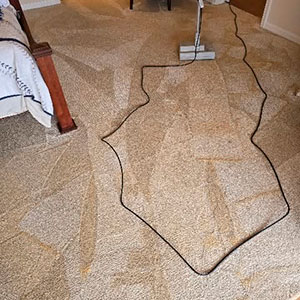
Professional pet urine treatment focuses on identifying contamination, removing urine residue, and addressing the source of unpleasant odors. Unlike ordinary carpet cleaning, effective treatment must consider how deeply urine has penetrated the flooring. Vic evaluates affected areas before selecting an appropriate cleaning method. His experience with low-moisture carpet cleaning and carpet restoration helps determine when surface treatment is sufficient and when deeper contamination may require additional attention.
What Types of Pet Stains and Odors Can Be Treated?
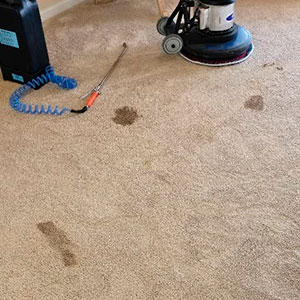
Professional treatment can address many common pet accident problems, although results depend on the extent and age of the contamination.
- Dog Urine Stains:
Treat qualifying spots and odors caused by indoor accidents. - Cat Urine Odors:
Address concentrated urine contamination that can create persistent smells. - Old Urine Spots:
Evaluate dried deposits that continue producing odors. - Yellow Carpet Stains:
Treat visible discoloration where urine has affected carpet fibers. - Repeated Pet Accidents:
Identify heavily affected areas that may require more extensive treatment.
How Is Urine Contamination Identified and Treated?
The appropriate treatment depends on whether urine remains near the surface or has reached deeper flooring materials.
- Pet Odor Assessment:
Identify affected areas and evaluate the severity of contamination. - Carpet Fiber Treatment:
Apply suitable cleaning methods to address urine residue and surface stains. - Odor Neutralization:
Use appropriate treatments to reduce odors associated with urine contamination.
- Carpet Backing Evaluation:
Check for indications that urine has penetrated beyond the carpet fibers. - Padding Assessment:
Determine whether contaminated padding may require replacement.
What Happens When Pet Urine Has Soaked Beneath the Carpet?
Urine that reaches the padding or subfloor may require more than routine surface cleaning.
- Deep Contamination Evaluation:
Assess whether repeated accidents have affected underlying materials. - Padding Replacement:
Replace qualifying sections of contaminated padding when necessary. - Carpet Restoration:
Determine whether the existing carpeting can be treated and preserved. - Persistent Odor Investigation:
Identify possible sources of odors that remain after cleaning. - Replacement Recommendations:
Explain when extensive contamination makes restoration impractical.
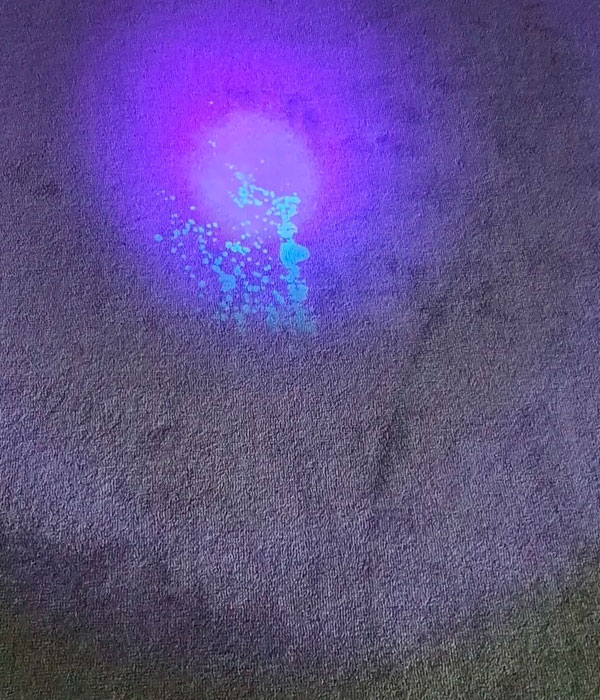
Homes throughout West Chester, Exton, Kennett Square, and surrounding communities can experience recurring pet odor problems, particularly during humid summer weather. Older carpeting and repeated accidents may allow urine residue to accumulate beneath the surface. Professional evaluation helps distinguish between contamination that can be treated and damage that may require replacing affected materials. Vic personally assesses the carpet, explains the recommended treatment, and provides a written estimate. The goal is to improve the condition of your carpeting without promising results that the damage may not allow.
Why Choose Vic's for Carpet Cleaning?
Over 40 Years of Experience
Vic brings decades of carpet cleaning and restoration experience to evaluating pet stains and odors.
Owner-Performed Cleaning
Vic personally handles the work, providing direct communication and attention to detail.
Individualized Treatment
Recommendations are based on the carpet's condition and the extent of urine contamination.
Written Estimates
Understand the recommended treatment and associated costs before approving service.
Carpet Restoration Knowledge
Vic can evaluate whether affected carpeting and padding can be treated or require replacement.
Satisfaction Guarantee
Vic stands behind his work and is committed to addressing customer concerns, while explaining the limitations of severe urine contamination.

Address Pet Urine Stains and Odors at the Source
Pet urine problems can become more difficult to correct when contamination remains untreated. Vic's Carpet Dry Cleaners & Dyers provides professional pet urine and odor removal throughout West Chester and surrounding communities, with treatment recommendations based on the condition of your carpeting. Whether you're dealing with a recent accident or a persistent odor, Vic can help evaluate the problem and explain your options. Call 610-486-0420 to request a written estimate.
Common Questions About Pet Urine & Odor Removal in West Chester
Professional carpet cleaning can remove or significantly reduce many dog urine odors, but complete removal depends on how deeply the urine has penetrated and how long it has remained in the carpet.
Several factors affect the results:
- Fresh Accidents: Recently deposited urine is generally easier to address.
- Older Contamination: Dried urine deposits can be more difficult to remove.
- Repeated Accidents: Multiple incidents in the same area may create deeper contamination.
- Carpet Padding: Urine that reaches the padding may continue producing odors after surface cleaning.
- Subfloor Exposure: Severe contamination can affect materials beneath the padding.
Cleaning the visible stain does not necessarily remove the entire source of the odor.
Vic evaluates the affected carpeting and explains whether treatment is likely to resolve the problem or whether additional restoration may be necessary.
Professional pet urine removal costs depend on the number of affected areas, the severity of contamination, and whether treatment is limited to the carpet surface or involves deeper materials.
Several factors influence the estimate:
- Number of Accidents: Multiple contaminated areas generally require more treatment.
- Size of the Affected Area: Larger sections may require additional cleaning.
- Age of Contamination: Older urine deposits can be more difficult to address.
- Carpet Construction: Different fibers and backing materials affect treatment options.
- Padding Damage: Contaminated padding may need replacement rather than cleaning.
Surface treatment is generally less involved than restoration requiring carpet lifting or padding replacement.
Vic provides written estimates after evaluating the problem so you understand the recommended work and associated costs.
A carpet may continue smelling like urine after cleaning because the treatment removed surface soil without reaching contamination in the backing, padding, or subfloor.
Several conditions can cause persistent odors:
- Deep Urine Penetration: Liquid may have traveled below the carpet fibers.
- Incomplete Treatment: Household products may not reach all contaminated areas.
- Repeated Accidents: Multiple urine deposits can create concentrated contamination.
- Humidity: Moisture in the air can make existing urine odors more noticeable.
- Contaminated Padding: Odor sources may remain beneath an otherwise clean-looking carpet.
Masking the smell with fragrances does not remove the underlying contamination.
If the odor returns after cleaning, the affected area may need a more thorough evaluation. Vic can help determine whether additional treatment or replacement of contaminated materials is appropriate.
Old cat urine odors can sometimes be removed or significantly reduced through professional treatment, but results depend on the extent of contamination and the materials affected.
Cat urine can produce particularly persistent odors as urine residue breaks down over time.
Important considerations include:
- Age of the Deposit: Older contamination may be more difficult to treat.
- Urine Concentration: Repeated accidents can leave substantial residue.
- Carpet Backing: Urine may become trapped beneath the visible fibers.
- Padding Absorption: Underlying padding can retain contamination.
- Subfloor Damage: Urine that reaches wood or other porous materials may require additional restoration.
Cleaning the carpet surface alone may not resolve a deep odor problem.
Vic can evaluate the affected area and explain whether treatment is practical or whether replacing certain materials may provide a better long-term solution.
Yes. Pet urine odors can become more noticeable during humid weather when urine residue remains in carpet fibers, backing, padding, or other porous materials.
Humidity does not create the contamination, but moisture can increase the release of odor-causing compounds.
Several conditions contribute to recurring smells:
- Summer Humidity: Higher indoor moisture levels can make existing odors stronger.
- Incomplete Cleaning: Urine deposits left behind may continue producing odors.
- Contaminated Padding: Moisture can make odors from underlying materials more noticeable.
- Poor Ventilation: Limited airflow may allow odors to linger indoors.
- Repeated Accidents: Multiple deposits can make odor control more difficult.
If a room smells worse during humid weather, that may indicate contamination remains beneath the carpet surface.
Professional evaluation can help identify the likely source and determine whether additional treatment is needed.
Professional pet urine treatment can be appropriate for homes with animals when cleaning products are selected and used correctly and pets are kept away from treated areas until it is safe to return.
Safety depends on the specific products, treatment process, and carpet materials.
Important precautions include:
- Product Selection: Use treatments appropriate for the carpet and intended application.
- Pet Access: Keep animals away from cleaning products and active work areas.
- Ventilation: Follow recommendations for airflow during and after treatment.
- Drying Requirements: Allow treated areas to reach the recommended condition before pets return.
- Product Instructions: Follow any specific precautions associated with the treatment.
Avoid mixing household cleaning chemicals, particularly bleach and ammonia-based products.
Vic can explain the cleaning process and any necessary precautions before treatment begins so you can make arrangements for your pets.