Before You Decide: What Homeowners Should Understand About Cast Iron Sewer Pipe Replacement
Replacing cast iron sewer pipes beneath a home is a major underground construction project. It involves excavation, plumbing installation, inspection, and restoration, and most homeowners only encounter this type of work once in their lifetime.
Because of that, many people begin researching the problem without knowing what questions to ask or what details truly matter.
Understanding a few key concepts before committing to a project can help homeowners avoid expensive mistakes and make the entire process much easier to navigate.
Many of the lessons below come directly from real situations we have seen while evaluating cast iron sewer pipe replacement projects in homes throughout Plano, Richardson, Garland, Dallas, and surrounding North Texas communities.
Many homes in North Texas still contain original cast iron sewer systems that are now reaching the end of their service life.
Why This Decision Is Different
From Typical Plumbing Repairs
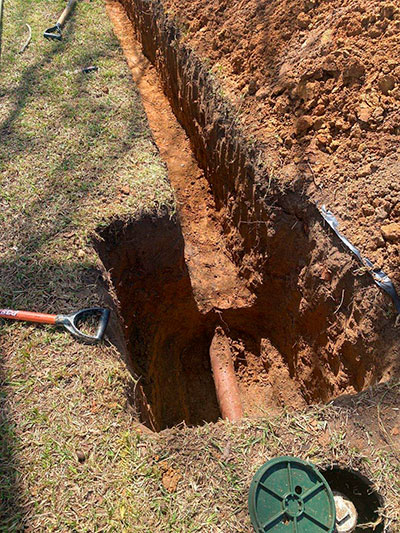
Trench excavation exposing the original sewer line during replacement
Most plumbing issues involve relatively small repairs — replacing a fixture, repairing a leak, or clearing a drain.
Cast iron sewer pipe replacement is very different. It involves excavation beneath and around the home, coordination between plumbing installation and tunneling or trenching, and inspections to verify the work meets plumbing code requirements.
Because of the scale of the project, the plan chosen at the beginning can significantly affect the amount of excavation, the complexity of the work, and the overall cost.
Taking time to understand the available options before work begins helps homeowners make more informed decisions and avoid misunderstandings about what is actually included in a proposal.
Why Sewer Cameras Cannot Determine
Cast Iron Pipe Integrity
Using a sewer camera to evaluate the structural integrity of cast iron pipe is a bad idea — and often misleading.
A sewer camera can only see the inside of the pipe. It cannot see through the pipe walls or outside of them. It also cannot tell you how thick the remaining cast iron is, which is one of the most important factors in determining whether the pipe is still structurally sound.
In North Texas, the dark clay soils surrounding many homes can create a false appearance on camera. When a pipe cracks or begins to deteriorate, the surrounding clay can coat the outside of the pipe and appear on camera as if the pipe is still intact. In some cases, the camera may show what looks like solid pipe even when portions of the pipe are cracked, crushed, or partially missing.
Unfortunately, many plumbers and companies will claim that a camera inspection “shows everything,” including the condition and remaining life expectancy of the pipe. That simply is not true.
Sewer cameras can be useful for locating blockages, identifying bellies in the line, or helping locate where a pipe runs underground. However, they should not be relied on to determine the long-term structural condition of aging cast iron sewer pipes.
Because of the age of cast iron sewer systems throughout North Texas, the long-term outcome is already known. Cast iron pipes that were installed decades ago will eventually deteriorate and require replacement. For that reason, spending money to determine whether aging cast iron pipes are still “good” or “bad” is not productive and, in our opinion, is a waste of money. Planning for replacement is the better approach. In some cases, replacing the system proactively can prevent ongoing plumbing problems. However, if problems have already started (such as recurring drain backups, slow drains throughout the home, sewer odors, rust flakes in drains, or plumbing issues that keep coming back), replacing the system rather than repeatedly investigating or temporarily repairing it is the most practical long-term solution.
The First Thing to Understand: The Word “Replacement” Can Mean Very Different Things
One of the biggest sources of confusion in sewer work is the word “replacement.”
That word is used very broadly, but it can describe very different types of work.
For example, someone may say a sewer line was “replaced” when only a small section of pipe was repaired or replaced. In other situations, a contractor may replace one portion of the system while leaving other sections of original cast iron piping in place.
Examples of work sometimes described as “replacement” include:
- Replacing only a few feet of damaged pipe
- Replacing a single branch line
- Replacing only the main sewer line
- Replacing only the yard line
- Installing cleanouts with a short section of pipe
In one recent situation, a homeowner was told that piping in the front yard had already been “replaced.” When we investigated further, it turned out that only the cleanouts and a few feet of pipe had been installed.
Technically, that small section had been replaced. But the remainder of the system was still the original cast iron piping.
This is why the most important question is not simply whether something was replaced.
The real question is how much of the system was replaced.
Spot Repair vs Partial Replacement vs Full Sewer Replacement
Another important concept is understanding the difference between various types of sewer work.
Spot Repair
A spot repair replaces a small failing section of pipe. This type of repair can sometimes address an immediate issue but does not change the condition of the rest of the system.
Partial Replacement
Partial replacement involves replacing a larger portion of the system, but not the entire network of pipes. For example, a contractor might replace the main line while leaving branch lines in place, or replace piping in the yard while leaving pipes beneath the home.
Full Sewer Replacement
A full replacement involves replacing the entire sewer system serving the home, including both the piping beneath the house and the yard line leading to the city connection.
Occasionally we encounter homes where the sewer system has already been replaced with PVC piping but has developed widespread problems such as multiple leaks, improper pipe slope, or major installation issues. In situations like this, attempting to repair individual sections of the system often does not resolve the underlying problems. Because the process of replacing sewer piping is the same regardless of whether the existing pipes are cast iron or PVC, full system replacement may still be the most practical long-term solution.
All three situations technically involve replacing pipe, but the scope of work can be very different. It is also important to note that replacing sewer pipes in sections or stages through partial replacements will cost more in the end than replacing all of the pipes at one time.
This is why two estimates that both mention “replacement” may still represent very different projects.
Why Comparing Sewer Replacement Estimates
Can Be Misleading
When homeowners begin gathering estimates, it is common to assume that proposals for the same type of work will look similar. In reality, two contractors may be proposing very different approaches even if the descriptions appear similar on paper.
Sewer replacement estimates can vary based on factors such as:
- Which sections of pipe are being replaced
- Whether piping is rerouted or replaced in the original location
- How much tunneling is required
- How the yard line is handled
- How fixtures are connected to the new system
- Access limitations around the home
Because of these differences, it is important to review proposals carefully and make sure the scope of work is clearly understood before comparing prices.
Trying to Save Previous Work Can Sometimes Cost More
Occasionally homeowners have already replaced part of their sewer system and understandably want to keep that work if possible.
In many cases that can make sense. However, there are situations where forcing new work to connect to existing work can create complications that actually increase the cost and disruption of the project.
Connecting new piping to previously installed sections can sometimes:
- Increase tunneling distances
- Require interior access holes through the slab of the home
- Increase excavation areas
- Increase overall project cost
In one recent evaluation, a homeowner had previously replaced part of the system and wanted to keep that section under all circumstances. Doing so would have cost more than simply starting over and replacing all of the pipe by rerouting the system, and it would have required significant tunneling and interior access points through the slab of the house.
Because those options were not acceptable to the homeowner, there was no practical way to complete the work.
Situations like this are a good reminder that it can be helpful to at least consider all possible options before making a final decision.
Why Rerouting Sewer Pipes Can Reduce Excavation
Many homeowners assume that new sewer pipes must follow the exact path of the original cast iron system.
In reality, that is not always necessary.
In some situations, rerouting sewer piping to a new path can reduce tunneling distances and simplify the layout of the system. This may reduce excavation and lower the overall complexity of the project.
Another advantage is that a more efficient layout today can also make future repairs easier if they are ever needed.
Less tunneling now can mean less tunneling later, which benefits both the home and the foundation.
Why Future Sewer Repairs Are Still Possible
Modern PVC sewer piping is far more durable than the original cast iron systems installed in many older homes. However, like any underground system, it is still part of a structure that sits in moving soil.
In North Texas, soil movement is common due to seasonal moisture changes. As the ground expands and contracts, foundations and the soil beneath them can shift slightly over time. These movements are usually small, but they can affect underground piping.
Other factors such as tree roots, ground settlement, or changes to the property over time can also impact underground plumbing systems.
While properly installed PVC sewer systems are designed to last for many decades, no underground system can be guaranteed to never require attention again. Planning the layout carefully during installation can help minimize the amount of excavation or tunneling that would ever be needed if a repair were required in the future.
Why Cast Iron Sewer Systems Rarely Fail in Just One Spot
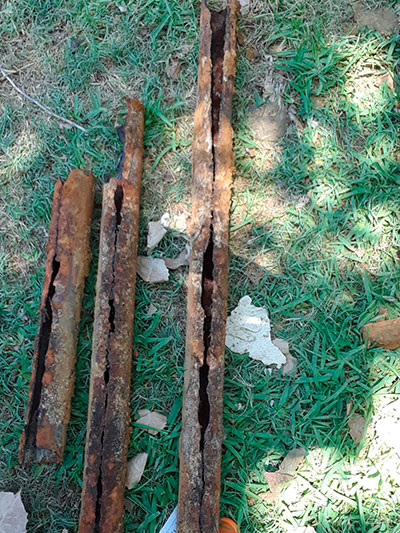
Multiple sections of the original cast iron system showing severe deterioration
Cast iron sewer systems typically deteriorate gradually over time. Once corrosion begins affecting the piping, it is common for multiple sections of the system to weaken.
Because of this, repairing one failing section does not prevent another section from failing later. Homeowners who initially pursue small repairs will face additional issues in other areas of the system as the remaining cast iron continues to age.
Understanding how cast iron sewer systems deteriorate can help homeowners evaluate whether a repair, partial replacement, or full replacement makes the most sense for their situation. Because repairs and partial replacements will require more work, increasing the long-term overall cost of replacing the system, we recommend replacing the entire system the first time.
Why Cast Iron Sewer Pipe Replacement Is Common in North Texas Homes
Many homes throughout North Texas were built with cast iron sewer systems, particularly those constructed before the mid-1980s. At the time, cast iron was the standard material used for residential sewer piping.
Over time, however, cast iron naturally deteriorates. Internal corrosion, soil conditions, and decades of normal use gradually weaken the pipe walls.
In North Texas, expansive clay soils can also contribute to the problem. As the soil expands and contracts with seasonal moisture changes, underground piping can experience additional stress.
Because of these factors, older homes throughout the region will eventually require cast iron sewer pipe replacement as these systems reaches the end of their service life.
Why Permits, Licensing, and Inspection Matter
Replacing a sewer system beneath a home is licensed plumbing work and must meet local plumbing code requirements.
Permits and inspections provide an additional level of protection for homeowners by ensuring that the work is properly documented and reviewed by the city.
Inspections verify that the installation meets required standards, including proper pipe slope, connections, and testing procedures.
Licensed plumbers are regulated by the State of Texas. Hiring a licensed plumbing company provides an additional layer of accountability to help ensure the work is performed properly and that the company does what they say they will do within the proposal.
Why Layout — Not House Size — Determines Sewer Replacement Cost
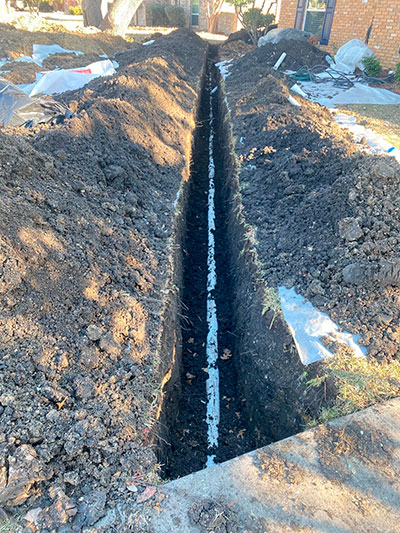
New PVC sewer line installed during full system replacement
Many homeowners assume the cost of sewer replacement is primarily determined by the size of the home.
In reality, the layout of the plumbing system is the most important factor.
Two homes with similar square footage may have very different sewer layouts depending on the location of fixtures, the routing of pipes beneath the slab, and the distance to the sewer connection.
Because of these variables, an in-person evaluation and measurements are necessary before a reliable sewer replacement proposal can be prepared.
Questions Every Homeowner Should Ask Before Hiring a Contractor
- What exact sections of pipe are being replaced?
- Does the work include both the yard line and all of the pipes beneath the home?
- Will permits be pulled and inspections performed?
- Who performs the excavation and plumbing work?
- How long should the project realistically take?
- What happens if unexpected conditions are discovered during excavation?
- Are you a licensed plumbing company?
Clear answers to these questions can help homeowners understand the scope of the project before work begins.
Take Time to Understand Your Options
Replacing cast iron sewer pipes is a significant decision, and homeowners should feel comfortable understanding their options before committing to a plan.
If evaluations or consultations are offered at no cost, it can be worthwhile to at least explore what options may be available.
Even if a homeowner ultimately chooses another contractor, reviewing a proposed plan can help them better understand the scope of work and the potential long-term implications.
If you have questions about cast iron sewer pipe replacement, our team is always happy to help explain the situation — whether by phone or in person. We believe homeowners should have the information they need to make the best decision for their home.
Frequently Asked Questions
What is the difference between sewer repair and sewer replacement?
Sewer repair typically involves fixing a small section of damaged pipe. Sewer replacement involves replacing a larger portion or the entire sewer system. The amount of pipe being replaced is what determines the true scope of the work.
Do sewer pipes have to be replaced in the same location under the house?
No. Sewer pipes do not have to be replaced in the same location. In many homes the system can be rerouted to a different path to reduce tunneling and simplify the layout. Rerouting is typically done to reduce the amount of work required and the cost of replacing the system.
How do I know if my cast iron pipes need to be replaced?
Homes built before 1986 often still have original cast iron sewer pipes, but age alone does not determine whether replacement is needed. Common warning signs include recurring drain backups, slow drains throughout the home, sewer odors, rust flakes in drains, or plumbing problems that keep coming back. In North Texas, cast iron pipes often begin deteriorating between 35 and 50 years after installation. There is no reliable way, including using a sewer camera, to determine the remaining structural integrity of cast iron pipe, so when these types of problems begin appearing, replacement is the most practical and cost-effective long-term solution.
Is a permit required for sewer pipe replacement?
Yes. Replacing a sewer system beneath a home is licensed plumbing work and requires permits and inspections to ensure the installation meets local plumbing code requirements.
Still Researching?

Review real homeowner case studies before making your decision.
Have Questions?

Have questions about your specific home? Call our team to discuss your situation.
Ready to Explore?

Schedule an in-person evaluation.
Because pricing can change over time for many reasons, it's best to schedule your evaluation when you're ready to move forward.
