• Skip to main content
  • Skip to primary sidebar

In House Plumbing Company

Schedule an Evaluation
Evaluation
Call Now (972) 992-1777

  • Home
  • Cast Iron Pipe Replacement
  • Pricing
  • Process
  • Case Studies
  • Warranty
  • Resources
    • About
    • Take Our Quiz
    • Before You Decide
    • Financing
    • Foundation Repair Guide
    • Businesses We Trust
    • Professional Affiliations
    • Blog
  • Reviews
  • Service Area
    • Plano
    • Rowlett
    • Wylie

Blog

The Main Culprits Behind Water Line Damage
May 27, 2022 By In House Plumbing Company

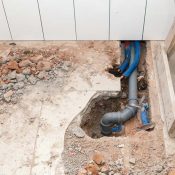
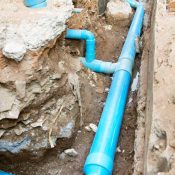
Water line damages can be an inconvenient and costly ordeal. In some instances, property owners don’t realize they’re experiencing line damage until they notice changes in their pressure. By then, they have a full-blown water line issue on their hands.

Before reaching out for water line repair in Garland, TX, In-House Plumbing Company stresses that you need to understand why your water line malfunctions. Here are some common water damage culprits.

Faulty Installation

Typically, water lines last for around 70 years before needing replacement. Even if you have a quality water line, improper water line installation will yield problems in your home. You may also have premature damage if you’ve moved into a newly renovated home or recently had sub-par water services performed.

Pest Intervention

Living in an area with many outdoor pests can increase the likelihood of a damaged water line. By chewing through the water line, rats and other outdoor critters cause costly leaks. You may not realize this is the cause of leaking until you have a professional to diagnose the problem.

Intense Weather

Areas with frequent weather changes are vulnerable to water leaks. Texas residents are prone to a myriad of weather patterns that may force them to have premature water line replacement procedures. Water lines aren’t very far below the ground, making them susceptible to significant forms of damage.

Experiencing a water leak is troubling for all homeowners. If you notice a change in your water pressure or other water-related issues, make sure to call for prompt water line services. The sooner you recognize there’s potential damage, the sooner you can act to save money and minimize the negative impact on your home.

Contact us today at In-House Plumbing Company for all your water line concerns.

Filed Under: Water Line

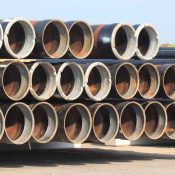
Reasons Replacing Cast Iron Pipes is a Better Option

May 13, 2022 By In House Plumbing Company

In many instances, sewer repair simply involves repairing the affected area and leaving the line itself intact. However, if you have issues with cast iron pipes, most reputable contractors would recommend a full replacement procedure over repairs.

In-House Plumbing Company is the go-to company for top-quality sewer repair in Garland, TX. We are the ones the community turns to whenever they need to get the job done. Below, we run through the top reasons why replacing your cast iron pipes is a better option.

Cast Iron Pipes Are Susceptible to Corrosion

Corrosion is one of the most common and compelling reasons to replace sewer line pipes made from cast iron instead of opting for repairs. Cast iron is a material that’s highly susceptible to corrosion because of the way it reacts to water and oxygen. Over time, corrosion can spread throughout the entire span of the pipe.

As this happens, several weak spots can develop, which increases the risk of issues with:

  • Tree root intrusions
  • Leaks as cracks and holes develop
  • Clogs, especially if there are full or partial collapses within the pipe
  • Related drain problems in your home

Repair Needs Can Be Frequent and Costly

Another reason we recommend sewer line replacement with cast iron pipes is because it’s not unusual to repair one section of pipe only to have a similar issue develop with a completely different area. Ultimately, you’ll save a lot more time and money by replacing your aging cast iron pipes entirely rather than dealing with recurring repair needs and costs.

Possible Property Value

One other compelling reason to consider cast iron pipe replacement rather than repair is how the value of your property could be affected. If you have newer sewer lines that are designed with today’s standards in mind, your property will be more appealing to potential buyers should you opt to sell in the future.

Added Insurance Perks

What’s more, you may even be able to enjoy added savings on your homeowner’s insurance policy since newer pipes are less likely to contribute to structural damage in or around your home.

In-House Plumbing & Services is your dependable local source for sewer pipe line repair and replacement in Garland, TX. If you have older cast iron sewer lines, we’ll determine the most appropriate solution for your situation to deal with any issues you may be experiencing.

Contact us today to learn more about our sewer repair services and replacement options!

Filed Under: Sewer Repair

Should You Hire an Independent Structural Engineer?

January 19, 2022 By In House Plumbing Company

I hear and see this question all the time. Often one of the first pieces of advice someone gets is “hire an independent structural engineer.” And I could not disagree with this more.

Let me start by saying engineers are great. But I do not recommend hiring an independent engineer. In my opinion, that is a bad plan. While I do believe a structural engineer should be involved in the foundation repair process, YOU hiring one is a bad idea.

You need to first be aware that anything an engineer, or a foundation company for that matter, tells you is an opinion. It’s an opinion based on experience and professional knowledge but is an opinion nevertheless.

So let’s say you pay an SE to come out and create a plan for a foundation company.

Most SEs will charge anywhere from $300 to $600 to come out and give you their opinion. However, at this time none of the foundation repair companies in the Dallas area charge to come out to evaluate your foundation and come up with a plan.

So you can get a good foundation repair contractor to come out and give you an equally good opinion for free.

Who Should Hire the Structural Engineer?

Now, once the foundation company comes up with a plan and you agree to get the work done, an engineer can be hired by the repair company to validate the plan.

I realize there are people who worry that if the SE is hired by the company, they are no longer independent and will just “rubber stamp” anything the foundation company comes up with.

But this isn’t necessarily the case. The foundation repair company has a vested interest in making sure their plan works. It’s called reputation and warranty.

No good company wants to have to go back and redo something they’ve already done multiple times because they did bad work. That is going to cost them a lot of money.

And if they don’t go back and fix things that they are at fault for, what do you think happens to their reputation? They get bad reviews. Their Better Business Bureau ratings plummet. And word gets out all over social media. Their reputation is ruined.

You do a great job for somebody and maybe they tell 3 people about it. You do a bad job, they most definitely will tell 10+ people. And it’s even worse in the social media era we live in today.

Bottom line, their reputation is on the line.

The Independent Structural Engineer’s Liability

Another reason I don’t recommend you hiring an independent engineer is because they often aren’t liable for their own plan.

Here is an engineer’s report from a house that I owned. An SE was hired at the time of my selling the house in February 2020.

I first want to point out a couple of things.

You’ll see on page 4 of the report:

“In the event that other information becomes available that could affect the conclusion reached in this investigation, this office reserves the right to review and change some or all of the opinions represented herein, if it is required.”

So #1. If they don’t have all the information, which they admit it, If you give them more information, the opinion could change.

#2. Everything they did was based on visual observations and the engineer’s judgement. What’s another word for that? His opinion. Again, based on his training and experience. And again, still an opinion.

Another thing it says a few paragraphs down on the same page, it is assumed that the foundation was constructed based on requirements of building codes and was inspected by local building officials during construction.

This particular house was built in 1984. The report was created in 2020. You can assume the house was built according to code and inspected all you want but was it? We can hope but really, nobody knows.

Now, this is what I like the most:

“No warranty is either expressed or implied as to the future performance of this structure. Liability is strictly limited to the fee charged in this report.”

So let’s say this engineer charged $300 for this report. What’s his liability if you go back to him after you implement his plan and it doesn’t work. And the chances of that happening are pretty good.

You go back to him and say, you’re responsible for this. He’s gonna give you your $300 back, at best.

That doesn’t help when you just paid the foundation repair company a lot of money to implement that engineer’s plan and now you have to get it refixed.

$300 is nothing in this situation.

What really matters is what is a reputable foundation contractor going to do and go with that foundation repair contractor. If he has an engineer in his “pocket,” so to speak, fine.

But if you choose that contractor from reputation, and you trust that contractor, then he is the one that has his neck on the line. He’s the one who is going to have to make sure that the work gets done the way it should. And if it doesn’t, he’s the one you’re gonna call back out.

And his liability from a legal standpoint, theoretically, in court would be much more than the engineers, #1. And #2, his liability from a reputation and warranty standpoint for his company is going to cost him A LOT more than what you paid the engineer.

Choose the Best Foundation Repair Company Instead

So while I do think a structural engineer is an important part of the foundation repair process, it is my opinion that you shouldn’t be the one hiring one.

If you choose a good and trustworthy foundation repair company, you can feel confident the engineer they hire will also have yours and your home’s best interest in mind.

Filed Under: Foundation Repair

How to Choose a Reliable Foundation Repair Company

January 19, 2022 By In House Plumbing Company

Thanks to the type of soil we have here in the Dallas area, foundation problems are common for North Texas homeowners.

The soil in Texas is expansive clay which means it contracts when it’s dry and expands when it’s wet. And because of that, a home’s foundation moves and shifts and the expanding wet soil can push up and out against the foundation.

If you are dealing with signs of foundation problems like uneven floors or cracks in the walls of your home, it’s time to look for a foundation repair company.

But with so many to choose from, how do you know who to trust?

Why Price per Pier Shouldn’t Matter

I get asked about pier price a lot. What is a good price per pier? And I understand why this might seem like something to take under consideration when evaluating your options.

But in my opinion, it’s not even close to being one of the most important factors to consider when choosing a foundation repair contractor.

What if one company says you need six piers and another tells you you need 20 piers? And what if you legitimately only need six piers but this other company just really wanted to sell 20 piers that particular day? Maybe it’s been a slow month and they need to make up for it. (I hate to say it, but it happens more than you’d think.)

So in the grand scheme of things, price per pier means nothing. The only thing that truly matters is what needs to be done. What type of piers you get, where they put the piers and why, and how deep the piers will go.

Go cheap and you can count on paying more now and later when they put in extra piers and the piers move quickly and have to be redone.

If you think it's expensive to hire a professional to do the job, wait until you hire an amateur. - Red Adair

How many people have you known that have had to have work done twice? Or even over and over again? Or what about finding out the contractor who did the work went out of business?

Going on price alone is a bad, bad plan.

You get what you pay for. It’s not about price. It’s about trusting the contractor. It’s about having a contractor who stands behind the work.

Things to Consider When Hiring a Foundation Repair Company

So how do you find a trustworthy contractor?

Well it’s going to take a little bit of work on your part. But it’s worth it when you consider the amount of money you’re going to spend to get your foundation fixed.

Check their reputation

Make sure you check the reviews, the company’s social media pages, the Better Business Bureau ratings, etc. And what they say when they come out there in person also matters.

You’re looking for a contractor with the heart of a teacher, not the heart of a salesman. Are they teaching you something or selling you something? There is a major difference.

Get six opinions

I usually recommend calling six contractors, give or take, to come out and give you a repair plan. Remember, it’s free but will take some time.

I saw a social media post not too long ago where someone asked, “Can I just skip the process? Just give me a name of someone I can trust. I don’t want to worry about the process.”

You cannot skip the process. You need to get those opinions.

Typically you can throw out the least expensive and the most expensive. Look at the ones in the middle and the ones that overlap. See what they all agree on and that is most likely what you need done. Then go with the one you trust.

Take a look at this diagram. You’ll most likely get something that looks very similar to this.

So with the most and least expensive plans thrown out, you’re left with about four opinions.

Let’s say one contractor tells you you need 1 – 12 piered. And another tells you you only need piers 5 – 8. And the other two tell you you need 4 – 9.

You can assume then that you need 5 – 8 for sure.

Then you just decide who it is you trust, and if you think you should get it 4 – 9 or if you think you just need 5 – 8 piered.

Warranty on Repairs or Whole House?

A quick note about warranties here — I go a little more into warranties later in the post as well.

If you want a warranty on the WHOLE thing — which nobody does — and you want them to cover anything in the future that needs to be done, then you’re going to have to go in and have them pier everything.

All interior. All exterior. Everything. Every inch of the house that can be adjusted by the piers. Otherwise you’re only getting a warranty on what the contractor piered. Don’t think that you can just get a small section repaired and then your house is warrantied forever for any foundation problems.

That repair solves that problem but it doesn’t solve if there’s ever a problem in a different spot.

So say the repair company only piered six exterior piers and later something inside moves, they can’t fix it from the piers they did before. They’re gonna have to come in and add more piers to be able to fix it.

Every foundation company is different but I use a general 10 foot rule.

Give or take, if your problem is more than 10 feet away from the piers they fixed, they can’t fix the problem from those piers. Even if it’s less than 10 feet, the problem could be emanating from a place that is more than 10 feet away, it’s just affecting less than 10 feet.

So they have to actually go out to the further spot to be able to fix it and then maybe they also have to adjust some of the piers on the warranty.

Just don’t be under the illusion that having them fix some piers means your entire foundation is covered no matter what.

A Word (or Two) About Reviews

As far as reviews go, they are a good indicator about the company you are researching. No doubt about it.

But, it’s important to keep in mind there is not a company or person in the world who is perfect. It’s just not possible.

So don’t look for perfectection, 5 star ratings across the board. It’s not a bad thing to see a bad review or two or even a couple complaints on the BBB. Nobody can please everybody. Any company in business long enough is going to run into problems.

What matters is if there’s a pattern.

When it comes to the bad reviews, what you want to look at is the overall situation. Was the customer being reasonable and the contractor refused to do something about it? Or was the customer being unreasonable and holding the contractor to an unrealistic expectation and the customer retaliated with a bad review?

And these days reviews are being used as extortion. “If you don’t do what I want, I’m going to give you a bad review!” Not to mention fake reviews being left by a competing company.

It is a bit of a he said/she said situation when it comes to a legitimate negative review. But you can see if and how the contractor responded to the bad review to get an idea of what happened.

Reviews are a double edged sword. They are good but they can also be abused.

And on the flip side, if there are zero negative reviews, that’s not necessarily a good thing either. It could be a case of fake reviews or companies incentivizing good reviews with prizes or discounts (which is against most review site policies).

But the bottom line is you should never make your decision based on JUST the reviews. You want the whole picture which is why I recommend looking at a number of different factors when choosing the right company for you.

Foundation Repair Warranties

Back to warranties. The warranty is only as good as the contractor doing the work.

What do I mean by that?

Companies in the service industry are upping their warranties. The industry standard is a couple of months to a year. A long time ago, foundation companies had lifetime warranties. But what good is a lifetime warranty if the company doesn’t honor it?

I once bought a house that had foundation work done by the previous owner. After I bought the house, I could never get a hold of anyone at the company to transfer the warranty much less have them out to do any kind of work on the foundation.

So what I mean by the warranty only being as good as the contractor:

  • If they don’t answer your calls, the warranty means nothing.
  • If they won’t come out there and do anything, the warranty means nothing.
  • If they come out and they blame it on something else, the warranty means nothing.

What you’re looking for is honesty and integrity. Can you trust them to answer the phone if there is a problem and honor what they’ve said and actually do something about it? That’s a big deal.

How many times have you had a problem with someone who ignored your calls? How many times have you known somebody else who’s experienced that? And I will tell you, in the contracting world, in the service business, that is a huge huge deal.

Unfortunately a lot of contractors ignore people’s phone calls when there’s a problem.

I don’t personally put a lot of stock in warranty. Because here’s another thing I believe about warranties.

I don’t need a warranty on my work to stand behind anything that we did wrong.

If I find out 10 years from now that we did something wrong originally and it took that long for us to find it out, I don’t need a warranty to stand behind my company’s work and do something about it. To fix it at no charge to the homeowner.

With good quality contractors, it’s not about warranty. It doesn’t matter. You go with a good quality contractor, and you can trust that they’re not gonna ignore your problems, warranty or no warranty.

Beware of Foundation Companies Who Do This

Another thing I want to address quickly is foundation repair company addresses and names.

Now there are several companies, especially in the Dallas/Fort Worth area, that have similar names. They are independent companies and don’t have anything to do with each other. They just happen to have similar names.

But there is also the reverse of that situation. You’ve got two or three or four completely different names but they are actually the same company.

In this case, look at the addresses. Sometimes three different foundation companies have the exact same address or something really, really close to that. It’s probably the same company masquerading under different names.

So if you want to get six estimates and you call a company with three different names, you’re really only getting one company’s opinion out of those three.

Buying and Selling a Home with Foundation Problems

A quick word about buying and selling a home and potential foundation issues.

Foundation work is often done when a house is being sold. And most sellers don’t want to have to do anything they don’t have to do.

Now I have a different philosophy about this. I believe if everyone selling a house approached it from the buyer’s perspective, we would live in a different world. But unfortunately, I’m different and that’s not what most people do.

Most people selling a house don’t want to have to do anything. And if they do, only what they have to do. And some people do their best to cover up anything that does need to be done. And then others who will do something go with the absolute cheapest options possible.

So just know, if you’re buying a house and the seller did any foundation work, they probably went with the cheapest option available, probably press piling piers (read more about pier types here).

And this means it is extremely likely you are going to have to deal with it on the back side.

The truth of the matter is, all piers are like that. Nobody can guarantee a pier for life to never move again. They just can’t. (It’s just much more likely with the press pilings.)

Remember What is Important

I hope that this helps you if you’re looking for a foundation repair company.

There are a lot of factors to take into account.

Price is not everything and actually it shouldn’t be anything. In fact, price is way down the list.

Getting it done right is the most important thing. Cause if you don’t do it right at first, it’s going cost you a whole lot more down the road.

So take your time. Go through the process. Keeping everything I’ve said in mind, you should be able to find a company you can trust.

Filed Under: Foundation Repair

Foundation Pier Types, Lifting, and Voids

January 19, 2022 By In House Plumbing Company

Not all foundation pier types are the same.

The best pier types are the ones that hold the best. And those aren’t usually going to be the cheapest option. But as with most things in life, you get what you pay for.

Weather Affected Zone

Let’s quickly cover what the weather affected zone is in a foundation.

As I mentioned in a previous post, our expansive clay soil in the Dallas/Fort Worth metroplex contracts when it’s dry and expands when it’s wet.

So the piers, any of them, need to go below the weather affected zone. Some people also call this the active zone which is about seven to 15 feet below ground in the Dallas area. Otherwise, the soil movement will make the piers shift like crazy.

Any pier, regardless of pier type, that does not go below the weather affected zone will not support or stop the house from moving.

Press Pilings

This is what’s called a press piling.

With a press piling, they put one cylinder on top of another. Basically they just stack the pilings on top of each other. Some companies insert a cable down the middle of them, something like rebar, etc.

Now they make these looks really good on paper. But just because it looks good on paper, doesn’t mean it is. There are many situations where the pier ends up going in sideways underneath the house.

And with these types of pilings, they use the weight of your house to lower the piers. Where the problem comes in is if they can’t lower the pier far enough because the weight of your house isn’t heavy enough. This makes it highly possible the piers won’t go below the weather affected zone.

Press pilings are, in my opinion, worthless in almost all cases. It is the cheapest option and it’s what most contractors use. If you’re looking at JUST pier price, if the only thing that matters is price point, press pilings are what you’re probably going to get.

But I can tell you, I would never personally install or recommend installing press pilings to anyone.

I know a press piling company in town and that’s 50% of what they do. And the other 50% is going back to fix things. In fact, they keep a warranty crew on staff at all times. The warranty crew only does warranty work.

Steel Piers

With a steel pier, the contractor drives it into the ground.

It’s usually a thinner pipe so they can go down lower with these. But again, they are using the weight of your house to lower the piers.

So there’s still no guarantee they’ll go down below the weather affected zone. Although it’s much more likely they will because of the smallness of the actual pier.

Now it’s possible as well that these could also go in sideways, but that doesn’t happen very often.

Helical Piers

Helical piers, the most expensive option, are steel piers with one or more helical plates that anchors the pier into the ground.

It’s essentially rotated into the ground like a screw. It was designed to secure the pier in the ground. Foundation companies started using it for foundation repair at some point in the recent past.

The thought is that it will support the slab better. And they aren’t using the weight of the house to drive it into the ground so theoretically it should go down below the weather affected zone.

Drilled Concrete Piers

With a drilled concrete pier, they drill a hole into the ground and then pour concrete in.

With this type of pier, it’s a longer process. It’s usually takes a week to two weeks.

The company brings out a machine that drills down into the ground. Then they put rebar down into the hole and fill it with concrete. And then the concrete has to sit for seven days. So your yard is torn up for 7 days or more.

This is an older way of doing foundation work.

But I’m a big fan of drilled concrete piers. You know exactly where the actual pier went. You can literally look down and see how deep it went, etc. Although this is what I’d recommend, there are some downsides to it as well re: the longer process, the messiness, etc.

But it is also cheaper (and better, in my opinion) than the steel or helical piers.

Mud/Foam Jacking

I cannot stress enough, if you’re going to hire a company to do mud or foam jacking, be sure to thoroughly research the company.

Mud or foam jacking is used to fill a void or to lift your house. But there are some potential problems with these methods.

In the case of lifting the house, they are pumping the mud or foam on top of the existing soil under the slab. So that soil is moving which means the mud or foam on top of it is also going to move.

However, this method is useful particularly in the interior of the house. They don’t have to drill pier holes (which are usually a foot and a half by a foot and a half, give or take) which often destroys the interior flooring.

So what they do instead, because a mud hole which is about a 2 inch diameter hole and a foam hole about 1/2 an inch, they can put that into a grout line and cover it so you won’t know it’s there.

Just keep in mind, mud or foam does not go down below the weather affected zone. Whatever is currently happening to your home because of the soil is still going to happen to your home because of the mud or foam.

And in cases of filling voids, the one thing you want to be careful about is you want to make sure that they don’t overfill the void. It’s extremely difficult, basically impossible, to extract that stuff back out once it’s pumped in.

If you have a low slab now and you end up with a high slab, you have an even worse problem than before.

You also don’t want to do this when there’s been either extensive drought or major rain. Both extremes are potentially dangerous times to do this.

You just have to be very very careful. There are some potential uses for this but you have to make sure, double check, even triple check the company doing it.

A good quality company has a long rep in the biz. They’ve been doing it for a long time so they have a lot of experience. Make sure you find someone with a lot of experience with what does work and what doesn’t work. You don’t want someone new who just started doing it.

A good quality contractor is going to tell you their limitations. And if they tell you it’s not a good idea, it’s not a good idea.

And they will tell you because they want you to call them back. If someone comes in and tells you it’s going to be fine but doesn’t tell you why it’s gonna be fine, that’s not a company you want to go with. That’s for sure.

Have them explain to you the possibilities of what could go wrong, etc.

Plumbing Test

Also if you pump mud or foam under the house, make sure the company tests the plumbing system beforehand because you don’t want that mud or foam getting into the plumbing system. Nobody should ever pump foam or mud under the house without having a plumbing test first.

And it’s my recommendation that they run water through the system when they’re pumping the foam even after they’ve checked to make sure there are no leaks.

When they are pumping the mud or foam, not only should they be running water through the whole system but that they also have a dedicated person watching the sewer system to make sure that nothing gets in there while they’re doing it.

This is especially important if they’re lifting the foundation. Anytime you lift and level a house, the possibility exists of pulling the plumbing pipes apart. Whether that be from putting in piers or from the mud/foam jacking.

You want to make sure nothing happens during the lifting process. That the lifting didn’t create a leak even if there wasn’t one beforehand.

A Few More Things to Keep in Mind

Whether you just got repair work done or you want to keep your current foundation safe, here are a few things to help you out with that.

Rain Water Drainage

You need to keep water away from the foundation.

Gutters will help with keeping water away from the foundation. If you’ve got a pooling spot around the foundation, even a small pooling spot, that’s not good for the foundation at all.

You’ve got to keep excess water away from the foundation at all times. The expanding and contracting clay soil we have in D/FW can cause serious damage to your foundation.

Roots

Roots can also cause problems to foundations.

Consider getting a root barrier drilled into the ground. This is a barrier that is buried to keep those roots away from the foundation. It’s buried between the trees and the foundation.

Or if it’s an option you are OK with, cut down the trees. You’ve got to do something to keep roots out from under the house.

Roots grow to water. And they absorb a lot of moisture, a lot of water out from underneath the foundation.

Foundation Watering System

Something that helps to protect your foundation is a foundation watering system.

This is a fantastic video. It will tell you how to build your own foundation watering system.

Foundation watering systems keep your foundation consistently moist at the right amount of moisture. This prevents the soil from expanding and contracting against your foundation. It’ll cost you a couple hundred bucks, and I highly recommend having one.

Wrapping It Up

As far as the pier types, a lot of people believe there are good things about all of them.

I’m personally a huge fan of drilled concrete and steel piers. And again, I will never use press pilings — ever — in a house I own. And helical I feel is overkill in most cases.

But I always recommend you find a good foundation repair contractor that you trust and go with what that person says. That is my general rule of thumb.

And remember, if you go cheap then you should count on paying more now and later when they put in extra piers. So be sure to keep that in mind.

Filed Under: Foundation Repair

Galvanized Plumbing: What It Is & Why You Don’t Want It

April 14, 2021 By In House Plumbing Company Leave a Comment

Galvanized pipes were the pipe of choice for fresh water in homes built before 1960 mostly because that was the best option at the time. (Before galvanized pipes, most fresh water systems used lead pipes.)

But as with everything in life, new and better choices became available and home builders started building fresh water systems with pipe made from copper and most recently, PEX.

What are Galvanized Pipes?

Galvanized pipe is a steel pipe coated with pure zinc to prevent corrosion and rusting.

But over time that coating wears off as it constantly comes in contact with the minerals in the water. This then leaves the pipes susceptible to rust buildup which could end up clogging the line completely.

And in many cases, these steel pipes were coated with impure zinc which means there could be traces of lead coating the pipes that could leach into your tap water.

Should I Replace Galvanized Plumbing?

Absolutely, yes. Replace it today. It is junk. It pits and has a lot of build up on the inside of it. It’s just no good.

Aside from the potential poisonous lead that could be leaching into water supply, there’s also the issue of rust and buildup inside the pipe. Enough buildup and you’ve got a clogged line which could easily burst if it’s rusted through.

Not to mention the age of the pipe at this point. Even if you somehow lucked out and the pipe hasn’t corroded, just like with cast iron sewer pipes, it’s well past its due date and will soon.

How Long Do Galvanized Pipes Last?

If I’m being very generous here, these pipes could potentially last between 80 and 100 years. But most estimates put it at 40 to 50 years.

To have galvanized pipes that haven’t corroded and rusted after 40 or so years, the pipes would have had to have the most ideal, perfect conditions and maintenance. (And even then, I’d doubt they’d last much longer.)

And if you aren’t the original owner of the home, you have no idea how well everything was maintained.

Should I Buy a House with Galvanized Water Pipes?

Absolutely not.

If you are looking at a home with galvanized pipes, either have the seller replace the pipes or be prepared to replace the whole system yourself

I explain something similar in this post about buying a house with a cast iron sewer system. If you do buy a home with a galvanized pipe fresh water system and the seller won’t replace it, you are assuming all of the risk and responsibility.

Because of this, I often recommend that the buyer request a significantly higher amount than what the cost to replace is estimated to be.

Either way, don’t think you can buy a house with galvanized pipes and not expect to replace them.

How Much Does It Cost to Replace Galvanized Plumbing?

It’s impossible to say how much something is going to cost without seeing your specific system.

However, I can give you a general idea of what it MIGHT cost based on the jobs we’ve done in the past.

If we’re talking galvanized pipe in just the yard, you’re looking at anywhere from $2,000 to $8,000 to replace it.

And for inside the house, $3,000 to $15,000 depending on the house and how much water line is in the house and where it is.

It might sound like a lot but it’s better to go ahead and get this taken care of before it gets worse. (Think burst pipes and your home flooding.)


Filed Under: Uncategorized

Why Is My Toilet Tank Not Filling?

February 2, 2021 By In House Plumbing Company Leave a Comment

The toilet is probably one of the most important items in most people’s houses but probably one of the least talked about and considered. But when you suddenly can’t flush because the toilet tank is not filling with enough water or at all…

Most of the plumbing issues we tackle here at In-House Plumbing Company are not the DIY type of repairs as we handle a lot of underslab sewer and water pipe repairs.

Luckily for you, the toilet is typically pretty straightforward in its design and in troubleshooting problems without calling a plumber.

With toilet problems as with most problems, it’s often about narrowing down the possibilities until you find the culprit.

So if you’ve been asking yourself, “Why does my toilet tank take so long to refill?” Or why it isn’t filling at all, here are some of the most common reasons that you can check for on your own.

Check the Water Supply and the Water Supply Line

Let’s start with something really simple, the water supply and the water supply line.

Make sure the water supply shut off valve is turned on. Sounds too simple but sometimes it really is just that easy.

If the valve is turned on, check for leaks along the supply line. Check the line itself and at the valves where the line connects to the toilet tank and to the cold fresh water line either at the floor or in the wall.

With a toilet supply line leak, the tank still fills up just slower and slower until you get it fixed.

Now if you’re in an older home with older pipes and fixtures, you could have a clog in the supply line.
Turn off the water at the shut off valve and use a wrench to remove the line at the tank.

Position the end that was attached to the tank into a bucket, and turn on the water. If there isn’t any water coming out or it’s coming out at a trickle, then there is something potentially wrong with the supply line, the shut off valve, or the cold water line feeding into the toilet supply line.

If you replace the supply line and/or the shut off valve, and you’re still having trouble with your toilet tank not filling, you might have a blockage or leak somewhere in your fresh water pipes.

If that’s the case, we can always come out and check for a blockage or do a leak test and help you if any repairs are necessary.

[tk contact button]

Check the Float

A common problem with a tank that isn’t filling up is the float. If it is too low, it stops the flow of water coming into the tank leaving you with an empty tank or one with not enough water.

Check this by taking off the tank cover. For older toilets, look for a float ball attached to a float arm. Newer toilets often have a cylinder float.

For a float ball, look for screws or dials that you can adjust to raise the arm and the ball. Some people also gently bend the arm to adjust the float ball. For a cylinder float, squeeze the clip to release and move the float to the desired height.

Repair or Replace the Fill Valve

The fill valve is attached to the float. When you flush the toilet, the float sinks to the bottom of the tank opening the fill valve. Water rushes out and up the supply line through the open fill valve into the tank.

As water fills the tank, the float rises until it’s full.

If something is wrong with the fill valve then guess what? You got it, there will be little to no water in the tank.

You want to check for a few things if you think it’s the fill valve. One, old and worn out washers. Two, debris in the fill valve causing a blockage. Or three, a broken fill valve.

For scenarios one and two, either replace the washers or flush out the blockage. And with scenario three, you should replace the fill valve.


Trip Assembly

The trip assembly is part of the handle on the inside of the tank. If this is broken or bent, the tank might not fill when you flush the toilet.

Sometimes you can use a paperclip in a pinch if the chain is broken. But it’s not a permanent solution. In either case, go ahead and get a new trip assembly at the hardware store and replace it.

Be sure to take the old trip assembly to the store with you so you get the right replacement part.

Flapper

If the flapper isn’t sealing correctly against the flush valve hole, water from the tank will continually run into the toilet bowl.

Make sure the flapper or the chain attached to it isn’t caught on something preventing it from going down all the way.

Older toilets could also have a buildup of debris causing the flapper from sealing. Cleaning it off will solve this problem.

But if none of these problems exist, it might time to replace the flapper all together. Just like with the trip assembly, remove the old flapper and take it with you to the store when you go to buy a replacement.


Filed Under: Uncategorized

Troubleshooting and Repairing a Toilet Water Supply Line Leak

January 19, 2021 By In House Plumbing Company Leave a Comment

Nobody wants to deal with a leak anywhere in their homes but even less so when that leak is around the toilet.

If you’ve noticed water at the base of your toilet, it’s possible you’ve got a leak somewhere along the toilet supply line. And while we don’t do repairs like this at In-House Plumbing Company (we specialize in the more of the non-DIY repair like underslab leaks), we can let you know how to do it.

Because believe it or not, this is a fairly simple repair that you can do yourself in less than an hour.

Find the Leak

The first step with any leak is not a surprising one: Find it!

The toilet supply line is attached to a cold fresh water pipe under the slab or in the wall to the toilet tank.

The water from the cold line runs through the supply line to fill the tank which then fills the bowl after you flush the toilet.

As I’ve mentioned in previous posts, there is always pressurized water in your water pipes. This is also the case with the toilet supply line. It is the fill valve in the tank that stops it from continually pumping water into the tank.

So if there is a leak along the line, there will be a consistent drip making it a little easier to figure out where the problem might be.

The leak could be in the line itself or from the fill valve fitting at the tank or the shut off valve fitting where the supply line connects to the fresh water line.

Loose Toilet Supply Line Valve Fittings?

It’s always good to rule out the simple stuff first. So before I go on with how to repair your supply line leak, if the leak is coming from one of the valves, make sure the fittings aren’t loose.

If your home or toilet line is newer, it’s possible the valves are OK and just need to be tightened.

But if the fittings are plastic, be careful not to tighten them too much because you could break them. (It might be worth it to go ahead and replace the valves with a metal fitting or a reinforced plastic compression fitting even if it is just a loose valve. Some of the cheaper plastic fittings break too easily.)

Use a pair of pliers to tighten the fittings enough to stop the leak — hand tightening usually isn’t enough to keep it from leaking. Then once the rubber gasket has had a few hours to compress, tighten it just a little more.

If this does not solve your leak problem, it’s time for the next step.

Check the Washers and Threads

A leak can also be because of worn out washers and/or threads.

Turn off the water at the shut off valve and remove the hose. Remember, there will be water in the hose so have something like a small Tupperware or bucket to catch it.

If the washers look worn or are cracked, replace them. Also check to see if the threads are stripped. If so, you can wrap pipe leak tape — also referred to as plumber’s tape — around the threads to create a seal.

Put everything back, dry everything off with a towel, and turn the water back on. If the leak has stopped, you’re done! If not, it’s time to go ahead and replace the line.

Replace Toilet Water Supply Line

If you’ve tried everything above and the leak has not stopped, you need to replace the supply line. Of course, you can always just go ahead and replace the line from the start and skip the step checking the washers and threads. A new one will only run you around $10 so if you’re looking to save time, you won’t be out too much money.

Tools You Need:

  • Crescent wrench
  • Bucket or container to catch water from disconnected line
  • A towel
  • The new line
  • First turn off the water at the shut off valve.

Use the crescent wrench to loosen the fittings at both ends of the hose and remove the old hose. Watch out for the water in the hose. Use the container you got to catch the water.

Reattach the new hose, dry everything off, and turn the water back on.

Flush the toilet and make sure everything looks ok, no leaks at the fittings or along the line.

And that’s it!

If the leak came from the supply line and/or it’s fittings, you are done for the day.

The Leak at the Toilet is Not Gone!

If you’ve tried everything you can with the toilet supply line and there’s still a leak, it’s something else.

In this case, it might be time to call someone in for help.

While we don’t typically do these kinds of repairs, give us a call at 972-494-1750 or email [email protected]. We can help you decide what your next steps should be.


Filed Under: Uncategorized

Brown Tap Water? Find Out What Might Be Causing It

January 5, 2021 By In House Plumbing Company Leave a Comment

Turning on the tap and seeing brown water flowing out of the faucet or sitting in the toilet bowl is cause for concern for anyone.

There are a number of reasons why this might happen but are any of them dangerous

Today I want to cover some of the reasons you might suddenly have brown water in your home, and what you can do about it.

City Water Lines

Dallas and other cities around the country often flush the city water lines and fire hydrants as part of regular maintenance. The change in water pressure forces out mineral deposits, rust, dirt, sediment, etc. that have settled in the lines.

Repairs to city lines, like for a water main break, also causes brown water in a home’s plumbing system. And as infrastructures age, line breaks might become more frequent of an issue down the road.

Since your home’s lines are connected to the city’s lines, the water then flushes into your system.

So how do you know if this is what’s causing the brown water in your home? If the change to brown, murky water is sudden and is coming out of all of your water fixtures, city line maintenance and repairs are very likely the culprit.

Also check with your neighbors. If everyone on the street is having the same issue, it’s likely it’s routine upkeep by the city.

In these cases, it should usually clear up within a few hours, sometimes a few days. Once the pressure is back to normal and everything’s been flushed out, your home’s water should run clear again.

Your Home’s Pipes

Brown Water Caused by Rust

On the flip side, if brown water flows from the tap and comes out of only a few of your faucets, it’s probably your plumbing system. Another sign it’s your fresh water pipes is if the water is brown every morning but clears up later in the day.

If the brown water is only coming from your cold tap, it’s the fresh water pipes. But if it’s only happening when you turn on the hot water, it might be your hot water heater which I address a little further down in the post.

If it is your pipes it’s probably because there is rust in them. As water flows through your pipes, the rust is loosened and discolors the water and comes out of your faucets.

This is also the case if you only have brown water in the toilet. So if there’s only brown water in the toilet and maybe the sink in the same bathroom but none of the other areas of the house, it’s probably just that line that you need to address.

In this case, you should look into replacing the pipe. Once the pipe has started to rust, a break in the line isn’t far off. You want to catch this before the pipe or pipes break and you find yourself dealing with a fresh water leak.

Iron and Magnesium Turning Water Brown

If it’s not rust, it’s possible your water has too much iron and/or magnesium in it. This can show up in several ways:

  • Reddish/brown tint (or sometimes even black) and lasts longer than a day
  • Red or black particles settle in standing water
  • Red, orange, or black stains around fixtures, and in sinks and tubs
  • Red, brown, or black stains on clean laundry
  • Red, orange, or black stains/slime in toilet
  • Metallic taste

If you suspect this is the cause of your brown water coming from your tap or in your toilet, get your water tested.

You can always call your county health department office to see if there’s any testing facilities they recommend. Or you can also call the Safe Drinking Water Hotline at 800-426-4791 or visit the EPA Water Lab Network page.

Water Heater Causing Brown Water

Another potential cause as I mention above could be your water heater. If brown water is only a problem when you run the hot water, take a look at your water heater and the anode rod.

If you have a tank water heater, there is an anode rod inside the tank to help prevent the inside of your tank from corroding. Because water degrades metal, the water heater needs something to draw the elements that do that away from the walls of the tank.

This is what the anode rod does. Anode rods are often made of magnesium and/or iron which corrode faster than other metals which protects your tank. If the anode rod needs replacing, you might start seeing brown water when you run the tap.

As long as you get the rod replaced before the inner walls of your water heater start to rust, you should be fine. If it’s been too long, though, and the tank is rusting, it might be time for a new water heater.

If you suspect a water heater issue, give us a call or email us and we can talk you through what might be happening.

[tk contact us button]

Is Brown Water Dangerous?

It’s only natural you’re concerned about brown tap water or brown water in your toilet. With stories like the ones coming out of Flint, Michigan, and other places, it’s important we are aware of what’s going on, especially with the water we drink and bathe in.

The answer is, it depends.

Now if you’ve showered or have been drinking water with iron or magnesium, don’t worry just yet. Especially if it’s only been a short time. These are minerals our bodies need so while unpleasant, it’s not necessarily dangerous.

And while you probably don’t want to drink rusty water, it’s not harmful. Where the real danger comes in is if your pipes have a crack or a leak. That leaves your system open to the possibility of bacteria growing in your pipes and then getting into your water supply. Not to mention potential water damage from a leak which is a hotbed for mold and mildew.

Can In-House Plumbing Company Help with Brown Water in Your Home?

Yes and no.

As I said earlier, if the issue is with your hot water heater, we can help you figure that out and work on getting you a replacement.

We can also help you if you need a water pipe replacement.

Although in some situations, you might just need to flush your water heater or pipes.

In any case, we’re always happy to help. Feel free to give us a call at 972-494-1750 or email us at [email protected] with your questions and to see if we can help you with your brown water concerns.

Filed Under: Uncategorized

Why Your Washing Machine Smells Like Sewage or Rotten Eggs

April 7, 2020 By In House Plumbing Company 5 Comments

Bad smells coming from your washing machine are not only not welcome but can sometimes be a sign that something is wrong.

If you’ve been noticing a rotten egg or even a sewer smell coming from your washing machine, it’s time to investigate. Not only is it unpleasant but you could be dealing with something potentially harmful to you and your family.

Different smells are caused by different things. So you need to figure out what you’re dealing with before you can solve it.

Rotten Eggs Smell from a Washing Machine

For a rotten egg smell, it could be one of two things. The most likely is bacteria growing in your washer because of built-up dirt, mildew and mold, lint, and/or soap.

If you don’t regularly clean your washing machine, these things build up on, under, or inside the rubber seal and in the crevices of the drum. And sometimes with front-loading washing machines, something small like a sock or a wash cloth gets trapped behind the seal. The trapped item then stays wet and inevitably mildew and mold and bacteria grow.

Another possibility but not as common is a natural gas leak. Natural gas is odorless so the utility companies add sulfur which gives it that rotten egg smell so it’s detectable when there is a leak. If you do suspect a natural gas leak, call your gas company right away.

Fixing a rotten egg smell coming from your washing machine:

This one requires a little elbow grease.

First, for a front-load washer, pull back the rubber seal and check for anything that might have gotten trapped. Then you want to clean the seal. Use a rag and a solution of one part vinegar and one part water. (You can also use bleach instead of vinegar if you prefer) and clean the built up soap scum, mold, and debris.

Then run the machine on the hottest and largest setting. For front-load washers, add ⅓ cup of baking soda to the drum and one cup of distilled white vinegar to the detergent tray. For a top-loading machine, add half a cup of baking soda and 2 cups of distilled white vinegar when it is half full.

Let the cycle finish.

Prevent smells in the future by keeping the washer door open so it can dry. Also wipe dry the machine after each use, especially behind the rubber seal on a front loading machine. And periodically clean your washing machine per the manufacturer’s instructions.

Sewage Smell from a Washing Machine

If a sewer smell is coming from the washing machine itself, washing it per the manufacturer’s instructions and getting in there and wiping down and in between crevices with a vinegar/water solution should get rid of the smell.

If you’ve cleaned the machine and there’s still a sewage smell, it might be coming from the sewer.

To check, pull your machine from the wall and remove the drain pipe out of the standing pipe. If you can smell sewage coming from the standing pipe, there are three main culprits to check for.

Dried Out or Improperly Installed P-trap

There’s a p-trap for every drain in your home for two reasons. One, it traps debris so it can’t get too far into your system and cause a clog. It’s a lot easier to clean out a p-trap than it is to find and fix a clog under the slab.

And two, it also traps sewer gasses from your underground sewer pipes. There is always a little bit of standing water in a p-trap. And this water serves as a barrier preventing sewer gasses from leaking into your house through the drain.

If the p-trap for your washing machine is dry, it can’t trap the gasses and your washing machine/laundry room will smell like sewer. And the same is true if the p-trap or the drain hose connecting the machine to the p-trap was not correctly installed.

The Fix: Pour about a gallon of water down the pipe. If you’re dealing with a dry p-trap, this should fix it. If you still smell sewage, call a plumber to make sure it and your drain pipe have been properly installed.

How to Clean Clogged Washing Machine Drain Pipe

If lint, hair, soap, or dirt create a partial stoppage in the line, eventually bacteria grows on the stoppage and you have a sewer smell on your hands. Left unattended, this stoppage will build on itself causing more odors and possible backups.

The Fix: A sewer machine should clear this up. Sewer machines can be dangerous if you don’t know how to use one, so we recommend you call a plumber to do the job.

How to Clean a Clogged Vent Pipe

You could also have a clogged vent pipe.

Just like the other pipes in your home, the standing pipe for your washing machine also has a vent pipe. Vent pipes allow air to enter the system so water can flow through them and for sewer gasses to escape out of your house, usually through the roof.

So if this pipe is clogged, sewer gasses have nowhere to go but back into your home.

The Fix: If it’s safe, you can get up on the roof and shine a flashlight down the vent pipe. Look for leaves, bird’s nests, or anything that might be preventing sewer gasses from escaping the pipe. If it’s easy to pull out, go ahead. If not, call someone with the proper training and tools to do the job for you.

Call In-House

It’s impossible to cover every potential scenario in a single blog post. More often than not, the above causes will be the problem of a sewer or a rotten egg smell coming from your washing machine.

If it’s as simple as cleaning your washing machine, make sure you prevent future smells by regularly cleaning the machine. Also leave the door or lid open to allow it to dry. If you have little ones or pets and can’t keep it open, there are products you can buy from a hardware store or online that will secure the door while still leaving it slightly ajar.

But if you can’t figure it out or have questions, you can always give us a call at 972-494-1750 or email [email protected].


Filed Under: Uncategorized

« Previous Page
Next Page »

Primary Sidebar

Recent Posts

Why Workers’ Compensation Matters for Cast Iron Pipe Replacement in Texas

Many homeowners don’t realize that Texas does not require workers’ compensation insurance — and that creates real risk during underground pipe replacement projects. Old cast iron pipe replacement involves excavation, tunneling, confined spaces, and heavy materials. If a worker is injured on your property and the company does not carry workers’ comp, the homeowner can […]

Why No One Can Price Cast Iron Pipe Replacement Over the Phone

Homeowners often ask for a ballpark price before scheduling an estimate. That’s understandable — but old cast iron pipe replacement simply cannot be priced over the phone. Any company that does is guessing. Cast iron systems are unique to every home. Pipe replacement services depend on where each fixture is located, how the plumbing must […]

Why Honest Expectations Matter in Cast Iron Pipe Replacement

Replacing cast iron sewer pipes is a major investment, and homeowners deserve honest expectations — not promises that can’t be kept. One of the most important parts of professional pipe replacement services is explaining what the work solves and what it doesn’t. A cast iron to PVC conversion removes a guaranteed failure from your home. […]

Why Permits Protect Homeowners — But Don’t Guarantee Quality

Permits are often misunderstood. When it comes to old cast iron pipe replacement, permits exist to protect homeowners by creating a public record and requiring inspections — but they do not guarantee that work was done perfectly. Inspections matter, but inspectors are human. We’ve seen inspections approved due to timing, assumptions, or simple oversight. In […]

Archives

Quick Links

  • Home
  • Cast Iron Pipe Replacement
  • Pricing
  • Process
  • Case Studies
  • Warranty
  • Resources
    • About
    • Take Our Quiz
    • Before You Decide
    • Financing
    • Foundation Repair Guide
    • Businesses We Trust
    • Professional Affiliations
    • Blog
  • Reviews
  • Service Area

Service Areas

CITY1
CITY2
CITY3
CITY4
CITY5

See Complete Service Area

Contact Us

In-House Plumbing Company

5903 Curtis Dr.
Allen, Texas 75002

(972) 992-1777


Hours of Operation

Mon – Fri: 8 AM – 5 PM
Closed 12 PM – 1 PM for Lunch
Sat: Closed
Sun: Closed


William Hoyle M - 5556

Connect With Us

Copyright © 2026- | Privacy Policy | Terms & Conditions | Design by: Big West Marketing

Click to Call

Tap to Text